Mô tả sản phẩm
Tractor Pto Driveshaft Driveline Factory Hollow Spline Cardan Adapter Universal Joint Yoke Flexible Front Prop Rear CV Axle Propeller Automobile Drive Shaft
Mô tả sản phẩm
Agricultural truck universal joint steering
Trục PTO
| Function of PTO Shaft | Drive Shaft Parts & Power Transmission |
| Usage of PTO Shaft | Kinds of Tractors & Farm Implements |
| Yoke Types for PTO Shaft | Double push pin, Bolt pins, Split pins, Pushpin, Quick release, Ball attachment, Collar….. |
| Xử lý gông | Rèn |
| PTO Shaft Plastic Cover | YW; BW; YS; BS; Etc |
| Colors of PTO Shaft | Green; Orange; Yellow; Black Ect. |
| PTO Shaft Series | T1-T10; L1-L6;S6-S10;10HP-150HP with SA,RA,SB,SFF,WA,CV Etc |
| Tube Types for PTO Shaft | Lemon, Triangular, Star, Square, Hexangular, Spline, Special Ect |
| Quy trình gia công ống | kéo nguội |
| Spline Types for PTO Shaft | 1 1/8″ Z6;1 3/8″ Z6; 1 3/8″ Z21 ;1 3/4″ Z20; 1 3/4″ Z6; 8-38*32*6 8-42*36*7; 8-48*42*8; |
We also sell accessories for the pto shaft, including :
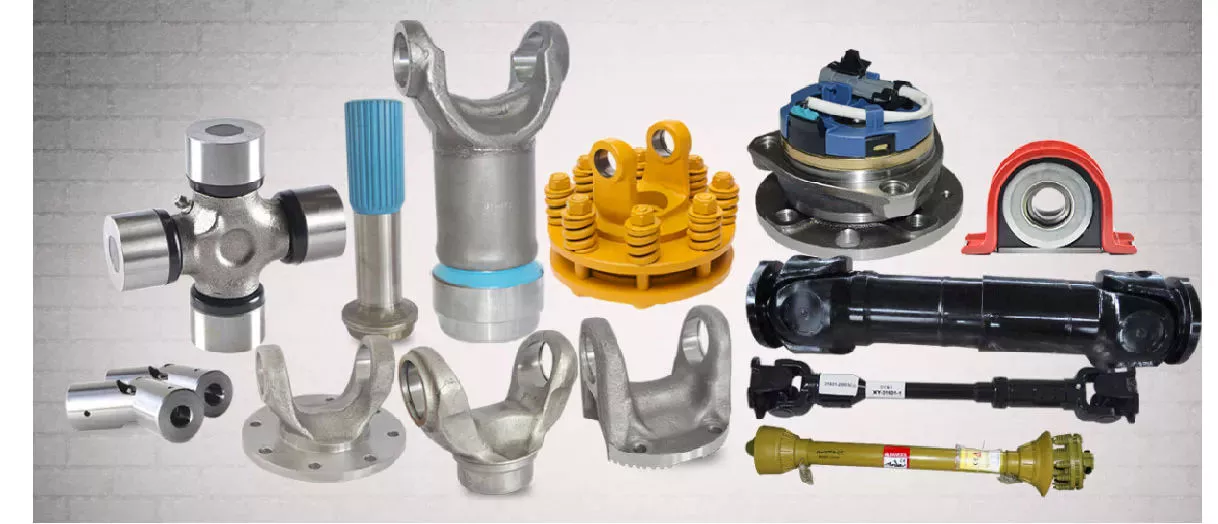
Yoke: CV socket yoke, CV weld yoke, flange yoke, end yoke, weld yoke, slip yoke
CV center housing, tube, spline, CV socket flange, u-joint, dust cap
Light vehicle drive line
Our products can be used for transmission shafts of the following brands
Toyota, Mitsubishi, Nissan, Isu zu, Suzuki, Dafa, Honda, Hyundai, Mazda, Fiat, Re nault, Kia, Dacia, Ford. Dodge, Land Rover, Peu geot, Volkswagen Audi, BMW Benz Volvo, Russian models
Gear shaft
Hồ sơ công ty
Sản phẩm liên quan
Ứng dụng:
Company information:
| Vật liệu: | Thép cacbon |
|---|---|
| Trọng tải: | Trục truyền động |
| Độ cứng và độ linh hoạt: | Độ cứng / Trục cứng |
| Độ chính xác kích thước đường kính trục: | IT6-IT9 |
| Hình dạng trục: | Trục thẳng |
| Hình dạng trục: | Trục thực |
| Mẫu: |
US$ 38/Piece
1 chiếc (Số lượng đặt tối thiểu) | |
|---|
Are there variations in PTO shaft designs for different types of machinery?
Yes, there are variations in PTO (Power Take-Off) shaft designs to accommodate the specific requirements of different types of machinery. PTO shafts are highly versatile and adaptable components used to transfer power from a power source, such as a tractor or engine, to driven machinery or equipment. The design variations in PTO shafts are necessary to ensure compatibility, efficiency, and safety in various applications. Here’s a detailed explanation of the different PTO shaft designs for different types of machinery:
1. Standard PTO Shafts: Standard PTO shafts are the most common design and are widely used in a variety of applications. They typically consist of a solid steel shaft with a universal joint at each end. These universal joints allow for angular misalignment between the power source and the driven machinery. Standard PTO shafts are suitable for applications where the distance between the power source and the driven machinery remains relatively fixed. They are commonly used in agricultural implements, such as mowers, balers, tillers, and seeders, as well as in industrial applications.
2. Telescopic PTO Shafts: Telescopic PTO shafts feature a telescoping design that allows for length adjustment. These shafts consist of two or more concentric shafts that can slide within each other. Telescopic PTO shafts are beneficial in applications where the distance between the power source and the driven machinery varies. By adjusting the length of the shaft, operators can ensure proper power transmission without the risk of the shaft dragging on the ground or being too short to reach the equipment. Telescopic PTO shafts are commonly used in front-mounted implements, snow blowers, self-loading wagons, and other applications where the distance between the power source and the implement changes.
3. CV (Constant Velocity) PTO Shafts: CV PTO shafts incorporate Constant Velocity joints to accommodate misalignment and angular variations. These joints maintain a constant speed and torque transfer even when the driven machinery is at an angle relative to the power source. CV PTO shafts are beneficial in applications where the driven machinery requires flexibility and a wide range of movement. They are commonly used in articulated loaders, telescopic handlers, self-propelled sprayers, and other equipment that requires continuous power transmission while operating at various angles.
4. Gearbox Driven PTO Shafts: Some machinery requires specific speed or torque ratios between the power source and the driven equipment. In such cases, PTO shafts may incorporate gearbox systems. Gearbox driven PTO shafts allow for speed reduction or increase and can change the rotational direction if necessary. The gear ratios in the gearbox can be adjusted to match the speed and torque requirements of the driven machinery. These PTO shafts are commonly used in applications where the power source operates at a different speed or torque level than the equipment it drives, such as in certain industrial manufacturing processes and specialized machinery.
5. High-Torque PTO Shafts: Some heavy-duty machinery requires high torque levels for power transmission. High-torque PTO shafts are designed to handle these demanding applications. They are constructed with reinforced components, including larger diameter shafts and heavier-duty universal joints, to withstand the increased torque requirements. High-torque PTO shafts are commonly used in equipment such as wood chippers, crushers, and heavy-duty agricultural implements that require substantial power and torque for their operation.
6. Safety PTO Shafts: Safety is a crucial consideration when using PTO shafts. Safety PTO shafts incorporate mechanisms to reduce the risk of accidents and injuries. One common safety feature is the use of protective guards that cover the rotating shaft to prevent accidental contact. These guards are typically made of metal or plastic and are designed to shield the rotating components while allowing the necessary movement for power transmission. Safety PTO shafts are used in various applications where the risk of entanglement or accidental contact with the rotating shaft is high, such as in grass mowers, rotary cutters, and other equipment used in landscaping and agriculture.
These are some of the key variations in PTO shaft designs for different types of machinery. The specific design used depends on factors such as the application requirements, power source characteristics, torque levels, movement flexibility, and safety considerations. PTO shaft manufacturers offer a range of designs to ensure compatibility and efficient power transmission in diverse industries and applications.
Cần tuân thủ những biện pháp an toàn nào khi làm việc với trục truyền động PTO?
Làm việc với trục truyền động (PTO) đòi hỏi phải tuân thủ nghiêm ngặt các biện pháp an toàn để ngăn ngừa tai nạn và đảm bảo an toàn cho những người vận hành hoặc làm việc gần thiết bị. Trục PTO liên quan đến máy móc quay và có thể gây ra những nguy hiểm đáng kể nếu không được xử lý đúng cách. Dưới đây là một số biện pháp an toàn quan trọng cần tuân thủ khi làm việc với trục PTO:
1. Làm quen với thiết bị: Trước khi vận hành hoặc làm việc gần trục truyền động PTO, điều quan trọng là phải hiểu rõ hoạt động của thiết bị, bao gồm cấu hình trục PTO cụ thể, các tính năng an toàn và bất kỳ máy móc liên quan nào. Đọc và tuân theo hướng dẫn của nhà sản xuất và các quy định an toàn liên quan đến trục PTO và các thiết bị liên quan. Việc được đào tạo và làm quen với thiết bị là điều cần thiết để đảm bảo thực hiện các thao tác an toàn.
2. Sử dụng trang thiết bị bảo hộ cá nhân (PPE) phù hợp: Khi làm việc với trục truyền động PTO, người lao động cần phải trang bị đầy đủ thiết bị bảo hộ cá nhân (PPE) để giảm thiểu nguy cơ chấn thương. Điều này có thể bao gồm kính bảo hộ, thiết bị bảo vệ tai, găng tay và giày dép chắc chắn. PPE giúp bảo vệ khỏi các mối nguy hiểm tiềm tàng như mảnh vụn bay, tiếng ồn và tiếp xúc ngẫu nhiên với các bộ phận quay.
3. Bảo vệ và che chắn: Đảm bảo trục PTO và các máy móc liên quan được trang bị hệ thống bảo vệ và che chắn phù hợp. Hệ thống bảo vệ giúp ngăn ngừa tiếp xúc ngẫu nhiên với các bộ phận quay, giảm nguy cơ vướng víu hoặc thương tích. Trục PTO cần có tấm chắn bảo vệ che phủ trục quay và bất kỳ khớp nối vạn năng nào bị hở. Máy móc được dẫn động bởi trục PTO cũng cần có hệ thống bảo vệ đầy đủ để bảo vệ khỏi tiếp xúc với các bộ phận chuyển động.
4. Cố định và căn chỉnh chắc chắn các bộ phận trục PTO: Trước khi vận hành hoặc kết nối trục PTO, hãy đảm bảo tất cả các bộ phận được siết chặt và căn chỉnh chính xác. Các bộ phận lỏng lẻo hoặc không thẳng hàng có thể dẫn đến trục bị lệch, mất cân bằng và hư hỏng. Hãy tuân theo hướng dẫn của nhà sản xuất để lắp đặt và siết chặt các khớp nối, càng nối và các điểm kết nối khác một cách chính xác. Việc căn chỉnh đúng cách rất quan trọng để ngăn ngừa ứng suất quá mức, rung động và mài mòn sớm trên trục PTO và các thiết bị liên quan.
5. Tránh mặc quần áo và đeo trang sức rộng thùng thình: Nên tránh mặc quần áo rộng, đeo trang sức hoặc các vật dụng khác có thể bị vướng vào trục truyền động hoặc máy móc liên quan. Buộc tóc dài gọn gàng, sơ vin quần áo rộng và tháo hoặc cố định chắc chắn bất kỳ phụ kiện nào đang lủng lẳng. Các vật dụng lỏng lẻo có thể bị mắc vào các bộ phận quay, dẫn đến thương tích nghiêm trọng hoặc nguy cơ bị vướng víu.
6. Không được sửa đổi hoặc loại bỏ các tính năng an toàn: Trục PTO được trang bị các tính năng an toàn như tấm chắn bảo vệ, nắp bảo vệ và bộ giới hạn mô-men xoắn vì lý do chính đáng. Những tính năng này được thiết kế để bảo vệ chống lại các mối nguy hiểm tiềm ẩn và không được phép sửa đổi, bỏ qua hoặc loại bỏ. Việc thay đổi hoặc vô hiệu hóa các tính năng an toàn có thể làm tăng đáng kể nguy cơ tai nạn và thương tích. Nếu bất kỳ tính năng an toàn nào bị hư hỏng hoặc không hoạt động đúng cách, chúng cần được sửa chữa hoặc thay thế kịp thời.
7. Tắt nguồn điện trước khi bảo trì: Trước khi thực hiện bất kỳ công việc bảo trì, sửa chữa hoặc điều chỉnh nào trên trục PTO hoặc các máy móc liên quan, hãy đảm bảo rằng nguồn điện đã được tắt hoàn toàn và ngắt kết nối. Điều này bao gồm việc tắt động cơ, ngắt nguồn điện và kích hoạt bất kỳ khóa hoặc cơ cấu an toàn nào. Cần tuân thủ quy trình khóa/gắn thẻ để ngăn ngừa việc cấp điện hoặc khởi động ngoài ý muốn trong quá trình bảo trì.
8. Bảo trì và kiểm tra định kỳ: Việc bảo trì và kiểm tra định kỳ trục PTO và các thiết bị liên quan là rất quan trọng để đảm bảo an toàn khi vận hành. Hãy tuân theo lịch bảo trì do nhà sản xuất khuyến nghị và thực hiện kiểm tra định kỳ để phát hiện bất kỳ dấu hiệu mài mòn, hư hỏng hoặc lệch trục nào. Bôi trơn các khớp nối vạn năng theo hướng dẫn của nhà sản xuất để đảm bảo hoạt động trơn tru. Kịp thời giải quyết mọi nhu cầu bảo trì hoặc sửa chữa để ngăn ngừa các nguy hiểm tiềm ẩn.
9. Đào tạo và Truyền thông: Đảm bảo rằng những người vận hành hoặc làm việc gần trục truyền động PTO được đào tạo bài bản về các biện pháp an toàn lao động, nhận diện mối nguy hiểm và quy trình xử lý sự cố khẩn cấp. Thúc đẩy việc truyền đạt thông tin rõ ràng về sự hiện diện và hoạt động của trục truyền động PTO để ngăn ngừa tiếp xúc hoặc nhiễu sóng ngoài ý muốn. Thiết lập các phương pháp liên lạc hiệu quả, chẳng hạn như tín hiệu hoặc bộ đàm, khi làm việc theo nhóm hoặc gần thiết bị gây tiếng ồn.
10. Hãy chú ý đến môi trường xung quanh: Luôn chú ý đến môi trường xung quanh khi làm việc với trục truyền động PTO. Quan sát vị trí của người xung quanh, chướng ngại vật và các mối nguy hiểm tiềm ẩn. Đảm bảo khu vực làm việc xung quanh trục truyền động PTO thông thoáng và an toàn. Tránh bị phân tâm và tập trung vào công việc để phòng ngừa tai nạn do thiếu tập trung.
Bằng cách tuân thủ các biện pháp phòng ngừa an toàn này, người lao động có thể giảm thiểu nguy cơ tai nạn và thương tích khi làm việc với trục truyền động PTO. An toàn luôn phải là ưu tiên hàng đầu để đảm bảo môi trường làm việc an toàn và hiệu quả.
How do PTO shafts handle variations in speed and torque requirements?
PTO shafts (Power Take-Off shafts) are designed to handle variations in speed and torque requirements between the power source (such as a tractor or engine) and the driven machinery or equipment. They incorporate various mechanisms and components to ensure efficient power transmission while accommodating the different speed and torque demands. Here’s a detailed explanation of how PTO shafts handle variations in speed and torque requirements:
1. Gearbox Systems: PTO shafts often incorporate gearbox systems to match the speed and torque requirements between the power source and the driven machinery. Gearboxes allow for speed reduction or increase and can also change the rotational direction if necessary. By using different gear ratios, PTO shafts can adapt the rotational speed and torque output to suit the specific requirements of the driven equipment. Gearbox systems enable PTO shafts to provide the necessary power and speed compatibility between the power source and the machinery they drive.
2. Shear Bolt Mechanisms: Some PTO shafts, particularly in applications where sudden overloads or shock loads are expected, use shear bolt mechanisms. These mechanisms are designed to protect the driveline components from damage by disconnecting the PTO shaft in case of excessive torque or sudden resistance. Shear bolts are designed to break at a specific torque threshold, ensuring that the PTO shaft separates before the driveline components suffer damage. By incorporating shear bolt mechanisms, PTO shafts can handle variations in torque requirements and provide a safety feature to protect the equipment.
3. Friction Clutches: PTO shafts may incorporate friction clutch systems to enable smooth engagement and disengagement of power transfer. Friction clutches use a disc and pressure plate mechanism to control the transmission of power. Operators can gradually engage or disengage the power transfer by adjusting the pressure on the friction disc. This feature allows for precise control over torque transmission, accommodating variations in torque requirements while minimizing shock loads on the driveline components. Friction clutches are commonly used in applications where smooth power engagement is essential, such as in hydraulic pumps, generators, and industrial mixers.
4. Constant Velocity (CV) Joints: In cases where the driven machinery requires a significant range of movement or articulation, PTO shafts may incorporate Constant Velocity (CV) joints. CV joints allow the PTO shaft to accommodate misalignment and angular variations without affecting power transmission. These joints provide a smooth and constant power transfer even when the driven machinery is at an angle relative to the power source. CV joints are commonly used in applications such as articulated loaders, telescopic handlers, and self-propelled sprayers, where the machinery requires flexibility and a wide range of movement.
5. Telescopic Designs: Some PTO shafts feature telescopic designs that allow for length adjustment. These shafts consist of two or more concentric shafts that slide within each other, providing the ability to extend or retract the PTO shaft as needed. Telescopic designs accommodate variations in the distance between the power source and the driven machinery. By adjusting the length of the PTO shaft, operators can ensure proper power transmission without the risk of the shaft dragging on the ground or being too short to reach the equipment. Telescopic PTO shafts are commonly used in applications where the distance between the power source and the implement varies, such as in front-mounted implements, snow blowers, and self-loading wagons.
By incorporating these mechanisms and designs, PTO shafts can handle variations in speed and torque requirements effectively. They provide the necessary flexibility, safety, and control to ensure efficient power transmission between the power source and the driven machinery. PTO shafts play a critical role in adapting power to meet the specific needs of various equipment and applications.


editor by CX 2023-10-17