Mô tả sản phẩm
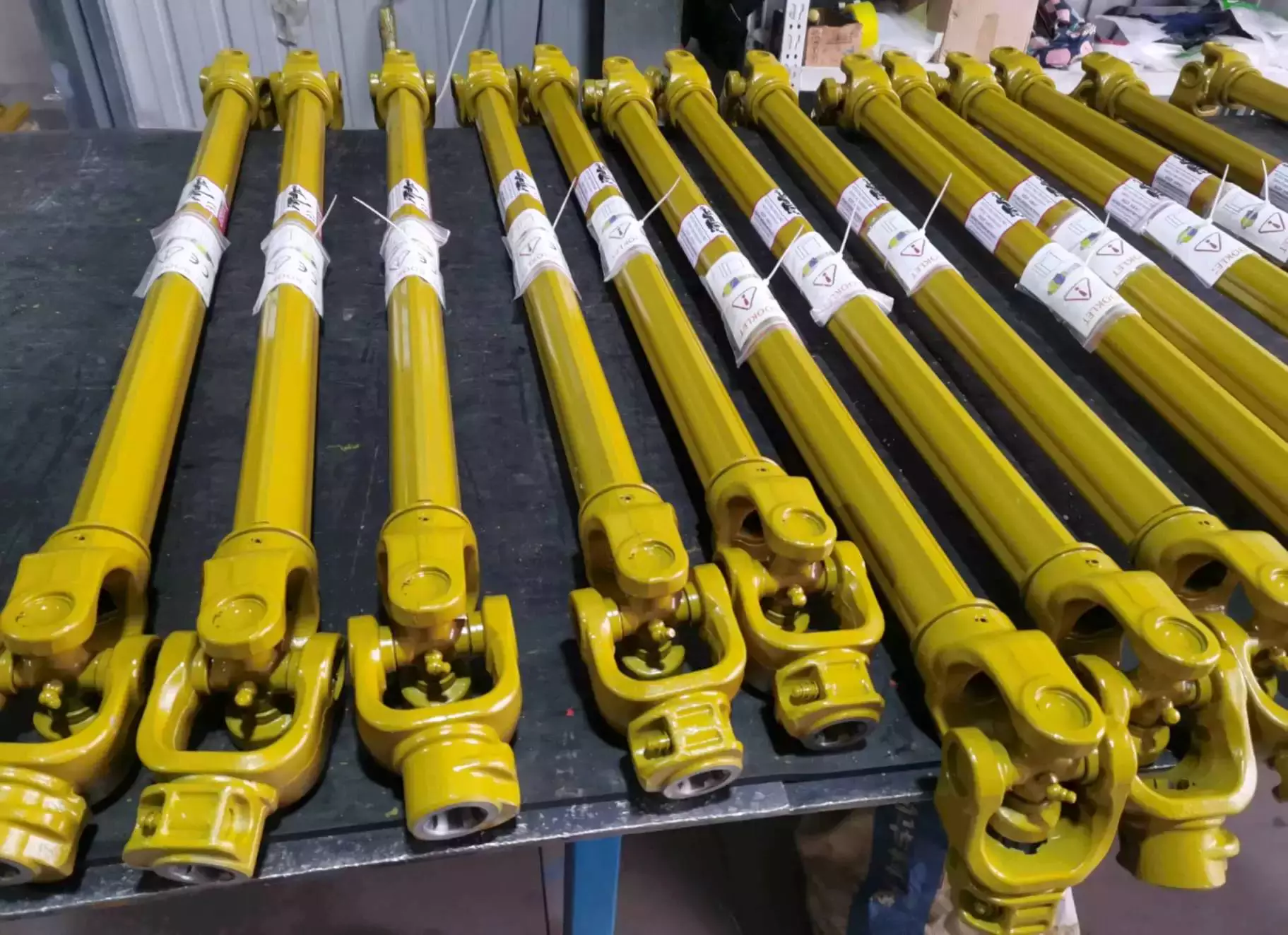
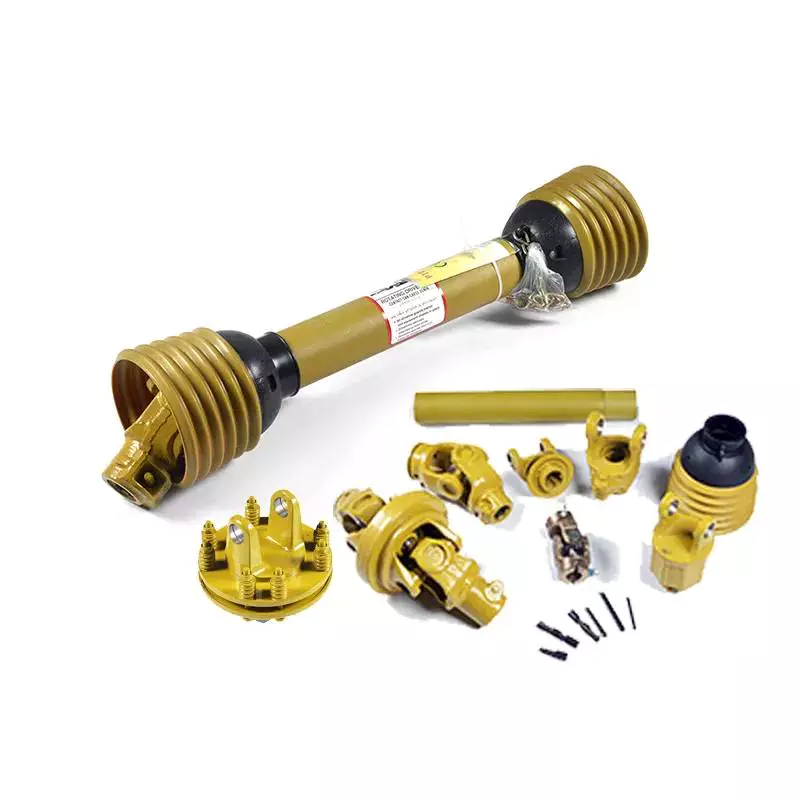
PTO shaft for Finish Mowers, Tillers, Hay Tedders, wood chippers, rotary tillers, rotary cutters, brush cutters, hush hug, tractors, fertilizer spreader
Replacement PTO shaft for Finish Mowers, Tillers, Spreaders, Hay Tedders and many more applications.
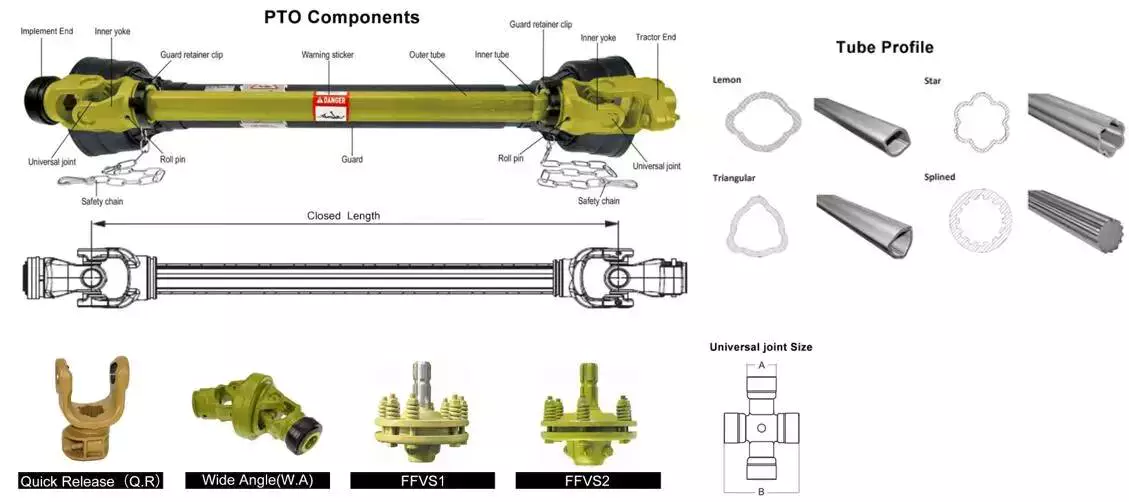
PTO is a series 4, rated for 40HP it has 1-3/8″ 6 spline push pin on both ends for easy installment. Complete with safety shield, The PTO measures 43″ from end to end and has an 58″ maximum extended length.
These PTO shafts fit the following Finish Mowers:
Bush Hog: ATH 600 and ATH 720, ATH 900, FTH 480, FTH 600, FTH 720, MTH 600, MTH 720 Series Mowers;
Landpride: FDR1548, FDR1560, FDR1572, FDR1648, FDR1660, FDR1672, FDR2548, FDR2560, FDR2572, AT2660, AT2672 Series Mowers;
Kubota: BL348A, B342A; Caroni TC480, TC590, TC710, TC910 with spline Input Shaft;
Befco most late models with splined input shafts, early models had some with smooth input shaft;
Curtis all Models;
Douglas all Models;
Tecma all Models;
Sovema all Models;
Maschio all Models;
Phoenix all Models;
Sicma all Models;
First Choice all Models
Related products
|
Xử lý vật liệu và bề mặt |
|
|
Trục ngang |
Xử lý nhiệt phôi rèn 20Cr2Ni4A |
|
Vòng bi |
Xử lý nhiệt rèn 20CrMOTi |
|
Nĩa có mặt bích |
Thép đúc ZG35CrMo |
|
Trục răng cưa |
Xử lý nhiệt rèn 42GrMo |
|
Ống lót spline |
Xử lý nhiệt rèn 35CrM0 |
|
Thân tay áo |
Rèn 42CrMo |
|
Xử lý bề mặt: |
phun |
|
Khóa phẳng, vòng định vị |
Rèn 42GrMo |
Trên đây là các mẫu và vật liệu tiêu chuẩn.
Nếu quý khách có yêu cầu hỗ trợ đặc biệt, chúng tôi có thể tùy chỉnh sản xuất theo nhu cầu của khách hàng.
Please click here to consult us!
Application scenarios
Company Information:
| Kiểu: | Trục PTO |
|---|---|
| Cách sử dụng: | Agricultural Products Processing, Farmland Infrastructure, Tillage, Harvester, Planting and Fertilization, Grain Threshing, Cleaning and Drying, Flail Mower Truck |
| Vật liệu: | All |
| Nguồn điện: | Điện |
| Cân nặng: | Nhà sản xuất thiết bị gốc (OEM) |
| Dịch vụ hậu mãi: | Hướng dẫn cài đặt |
How do tractor PTO shafts handle variations in load and torque during operation?
Tractor power take-off (PTO) shafts are designed to handle variations in load and torque during operation. They incorporate several mechanisms and features to ensure efficient power transfer and adaptability. Here’s a detailed explanation:
1. Slip Clutches: Many PTO shafts are equipped with slip clutches, which are designed to slip or disengage when the torque exceeds a certain threshold. This helps protect the PTO shaft and the driven implement from damage caused by sudden increases in load or torque. Slip clutches provide a level of safety by allowing the shaft to slip momentarily and absorb the excess torque, preventing breakage or overload.
2. Shear Pins: Some PTO shafts use shear pins as a safety mechanism. Shear pins are designed to break when the torque exceeds a specific limit. By breaking, the shear pin disconnects the PTO shaft from the driven implement, protecting the shaft and the implement from damage. Shear pins are replaceable, and their purpose is to safeguard the PTO system from excessive loads or unexpected obstructions.
3. Overrunning Clutches: Overrunning clutches, also known as freewheeling clutches, allow the PTO shaft to rotate freely in one direction while preventing reverse rotation. This feature is particularly useful when the driven implement’s inertia creates a lag in stopping or when the implement decelerates faster than the tractor. Overrunning clutches prevent the PTO shaft from transmitting reverse torque to the tractor, reducing stress on the transmission and improving safety and efficiency.
4. PTO Shaft Torque Limiters: Some PTO shafts incorporate torque limiters, which are devices that regulate the torque transmitted by the shaft. Torque limiters protect both the tractor and the implement by controlling the torque within a safe range. When the torque exceeds the set limit, the torque limiter disengages or slips, preventing damage to the PTO system and the driven implement. Torque limiters are adjustable and allow for customization based on the specific load requirements of different implements.
5. PTO Shaft Friction Plates: Friction plates are often used in PTO shafts to enhance the system’s ability to handle variations in load and torque. These plates provide additional frictional resistance, allowing the PTO shaft to transmit torque effectively while absorbing and dampening sudden changes in load. Friction plates minimize slippage and help maintain a consistent power transfer between the tractor and the implement.
6. Tractor Engine Power and Speed Control: Tractor PTO shafts handle variations in load and torque by allowing the tractor’s engine power and speed to be adjusted. By increasing the engine speed, the PTO shaft’s rotational speed can be adjusted to match the load requirements of the implement. This flexibility enables the tractor operator to optimize power delivery based on the specific task, ensuring efficient operation and preventing overload.
These mechanisms and features enable tractor PTO shafts to handle variations in load and torque during operation. Slip clutches, shear pins, overrunning clutches, torque limiters, friction plates, and the ability to control the tractor’s engine power and speed all contribute to the safe and efficient operation of the PTO system.
Những biện pháp bảo dưỡng nào là cần thiết để kéo dài tuổi thọ của trục PTO máy kéo?
Bảo trì đúng cách là điều cần thiết để kéo dài tuổi thọ và đảm bảo hiệu suất hoạt động đáng tin cậy của trục PTO máy kéo. Bằng cách tuân thủ các quy trình bảo trì này, bạn có thể tối đa hóa độ bền và chức năng của trục PTO:
- Bôi trơn thường xuyên: Bôi trơn là yếu tố quan trọng để giảm ma sát và mài mòn trong trục PTO. Hãy tuân theo khuyến nghị của nhà sản xuất về loại chất bôi trơn và tần suất bôi trơn. Bôi trơn các bộ phận chuyển động của trục PTO, chẳng hạn như khớp nối vạn năng và các rãnh then. Bôi trơn thường xuyên giúp ngăn ngừa ăn mòn, giảm sinh nhiệt và đảm bảo hoạt động trơn tru.
- Kiểm tra và vệ sinh: Thường xuyên kiểm tra trục PTO xem có dấu hiệu hư hỏng, mài mòn hoặc lệch trục nào không. Tìm kiếm các bộ phận bị mòn hoặc hư hại, các mối nối lỏng lẻo hoặc trục bị cong. Làm sạch trục PTO để loại bỏ bụi bẩn, mảnh vụn và bất kỳ chất tích tụ nào có thể ảnh hưởng đến hiệu suất của nó. Sử dụng bàn chải mềm hoặc vải để làm sạch trục kỹ lưỡng.
- Kiểm tra các tấm chắn và thiết bị bảo vệ an toàn: Kiểm tra các tấm chắn và bộ phận bảo vệ an toàn che chắn các bộ phận quay của trục PTO. Đảm bảo chúng được lắp đặt chắc chắn và không bị nứt, vỡ hoặc thiếu bất kỳ bộ phận nào. Các tấm chắn bị hư hỏng hoặc thiếu phải được thay thế ngay lập tức để đảm bảo an toàn cho người vận hành.
- Kiểm tra các thiết bị giới hạn momen xoắn: Nếu trục PTO của bạn có tích hợp các thiết bị giới hạn mô-men xoắn như chốt an toàn hoặc khớp ly hợp trượt, hãy thường xuyên kiểm tra chức năng của chúng. Kiểm tra các chốt an toàn xem có dấu hiệu hư hỏng hoặc mòn không và thay thế chúng khi cần thiết. Kiểm tra khớp ly hợp trượt để đảm bảo chúng hoạt động đúng cách. Các thiết bị này rất quan trọng để bảo vệ trục PTO và thiết bị khỏi mô-men xoắn quá mức, vì vậy chúng phải ở trong tình trạng hoạt động tốt.
- Kiểm tra khớp nối vạn năng: Khớp nối vạn năng là bộ phận quan trọng trong trục truyền động PTO. Hãy kiểm tra chúng xem có dấu hiệu hao mòn nào không, chẳng hạn như ổ bi bị lỏng hoặc mòn, độ rơ quá mức hoặc rỉ sét. Thay thế ngay lập tức bất kỳ khớp nối vạn năng nào bị hư hỏng hoặc mòn để ngăn ngừa hư hỏng thêm cho trục truyền động PTO.
- Đảm bảo căn chỉnh chính xác: Sai lệch trục có thể dẫn đến rung động, tăng mài mòn và giảm hiệu suất truyền động. Kiểm tra sự thẳng hàng giữa trục đầu ra PTO của máy kéo và trục đầu vào của thiết bị. Đảm bảo trục PTO được thẳng hàng và ăn khớp đúng cách. Điều chỉnh chiều dài hoặc vị trí của trục PTO nếu cần thiết để duy trì sự thẳng hàng chính xác.
- Hãy làm theo khuyến nghị của nhà sản xuất: Luôn tham khảo hướng dẫn của nhà sản xuất để biết các hướng dẫn và khoảng thời gian bảo dưỡng cụ thể. Chúng cung cấp thông tin hữu ích về quy trình bôi trơn, kiểm tra, điều chỉnh và thay thế dành riêng cho kiểu trục PTO của máy kéo bạn. Tuân thủ các khuyến nghị này giúp đảm bảo bạn đang thực hiện các biện pháp tốt nhất để bảo dưỡng trục PTO của máy kéo.
Bằng cách thực hiện các biện pháp bảo dưỡng này, bạn có thể kéo dài đáng kể tuổi thọ của trục PTO máy kéo. Bôi trơn thường xuyên, kiểm tra, làm sạch, kiểm tra các tấm chắn và bộ phận bảo vệ an toàn, xác minh các thiết bị giới hạn mô-men xoắn, kiểm tra các khớp nối vạn năng, đảm bảo căn chỉnh chính xác và tuân theo khuyến nghị của nhà sản xuất đều là những bước quan trọng để giữ cho trục PTO của bạn ở trạng thái tối ưu và tối đa hóa tuổi thọ của nó.
How do tractor PTO shafts handle variations in torque, speed, and alignment?
Tractor PTO shafts are designed to handle variations in torque, speed, and alignment between the tractor and the implement. These shafts are crucial components in the Power Take-Off system, which transfers power from the tractor’s engine to the implement. Here’s how PTO shafts handle these variations:
- Variations in Torque: Torque refers to the rotational force applied to the PTO shaft. Tractor PTO shafts are designed to withstand different torque levels based on the power requirements of the implement. They are constructed using materials such as steel or composite materials that offer high strength and durability. Additionally, PTO shafts may incorporate torque-limiting devices such as shear pins or slip clutches. These devices allow the PTO shaft to disconnect or slip when the torque exceeds a certain threshold, protecting both the tractor and the implement from damage.
- Variations in Speed: Speed variations occur when the rotational speed of the tractor’s engine and the implement’s input shaft are different. PTO shafts can handle these variations through the use of universal joints. Universal joints allow for angular misalignment between the tractor and the implement and can accommodate different rotational speeds. The design of PTO shafts ensures smooth power transmission even when the tractor’s engine operates at a different speed than the implement requires.
- Variations in Alignment: Alignment refers to the precise positioning of the PTO shaft between the tractor and the implement. Tractor PTO shafts are designed to be adjustable in length, allowing for variations in the distance and alignment between the tractor’s PTO output shaft and the input shaft of the implement. This adjustability helps ensure proper alignment and engagement of the PTO shaft between the tractor and the implement. PTO shafts may also incorporate telescopic sections or splined ends to provide flexibility and accommodate differences in alignment.
Overall, tractor PTO shafts are engineered to handle variations in torque, speed, and alignment. They incorporate robust construction materials, torque-limiting devices, universal joints, and adjustable features to ensure efficient and reliable power transmission between the tractor and the implement. These design elements contribute to the safe and effective operation of agricultural and industrial equipment powered by PTO systems.


editor by CX 2023-09-08