Heavy Lift Crane Drive Shafts for Offshore Installation
Single Failure Proof Technology for Monopile and Machine Assembly Operations
The Complexity of Heavy Lift Crane Drivetrains
When you’re lifting a 600-ton monopile or a 400-ton machine nacelle onto a foundation at sea, the margin for error literally measures in millimeters. We’ve spent eighteen years working with offshore contractors and heavy lift specialists across the North Sea, and what we’ve learned is this: standard industrial drive shafts aren’t built for this. Heavy lift cranes—particularly leg encircling cranes used in modern offshore wind installation—demand something fundamentally different from typical transmission systems.
The challenge isn’t just torque capacity or even marine corrosion. The real engineering problem is this: if your main drive shaft fails during a critical lift operation, thousands of tons cannot simply drop into the sea. It can’t damage the foundation structure you’ve spent months installing. It can’t injure personnel working below. That’s where Single Failure Proof protection enters the picture—and it’s not a nice-to-have specification, it’s a DNV-ST-0378 regulatory requirement for any crane system handling personnel or critical loads.
Combined with C5-M corrosion resistance and the unique dynamic demands of heavy lift operations, the drive shaft for a modern offshore heavy lift crane is one of the most heavily engineered components on the vessel. Most equipment suppliers don’t fully understand these dual requirements. The trick is integrating safety-critical redundancy with marine-grade durability without compromising operational efficiency.
Single Failure Proof Drive Shaft Architecture
Fail-Safe Load Path Design
DNV-ST-0378 certification requires that loss of the primary drive shaft cannot result in load drop. Our engineering approach integrates a redundant mechanical brake system directly into the drum assembly, creating a secondary load path independent of shaft integrity. The primary shaft transmits torque under normal operation. If shaft failure occurs—whether from fatigue crack initiation, corrosion pitting, or instantaneous overstress—the brake system engages within microseconds, preventing any descent. This dual-path architecture achieves a safety factor exceeding 10:1 under failure conditions.
Torque Margin and Material Redundancy
Heavy lift crane drive shafts for monopile installation are designed with material safety factors exceeding 5:1 under normal operation, escalating to 8-10:1 when considering transient shock loads from vessel motion and sudden load stabilization. We utilize premium-grade alloy steel (40CrMoV13 or equivalent) with 2,000 MPa+ yield strength, combined with shot peening and stress relief processes that eliminate subsurface fatigue initiation. In our experience, the shafts that survive hardest service are those that never operate near their theoretical limits. That’s why we over-engineer from the start.
Real-Time Load Monitoring Integration
Modern heavy lift operations require continuous load verification. We engineer drive shafts compatible with embedded torque sensors and strain gauge systems that feed live data to the vessel’s crane control system. This allows operators to detect load imbalance, asymmetric loading, or emerging mechanical issues before they propagate into catastrophic failure. The shaft itself becomes part of the safety architecture—a data source rather than simply a power transmission component.

C5-M Marine Corrosion Defense System
C5-M classification under ISO 12944 represents the harshest marine corrosion category—industrial atmospheres with high salt load and 15+ year maintenance intervals. Crane drive shafts operating in North Sea conditions face continuous salt spray, wind-driven salt particles, and periodic immersion during storm conditions. Most engineers don’t realize that standard stainless steel or zinc plating alone provide insufficient protection. C5-M requires a multi-layer defensive system.
Our offshore heavy lift drive shafts combine several protection strategies working in concert. The base material is specially selected alloy steel with additional corrosion-resistant microalloying—we’re not using marine-grade stainless because it lacks the strength and fatigue characteristics needed for Single Failure Proof applications. Instead, we apply a triple-coating system: initial surface preparation with abrasive blasting to Sa 2.5 standards, followed by two-component epoxy primer (80-100 microns), intermediate polyurethane layer (60-80 microns), and marine-grade polyurethane topcoat (40-50 microns). In our experience, this combination delivers 20+ year service intervals without visible corrosion initiation.
For bearing surfaces and coupling zones where paint adhesion is compromised by sliding contact, we apply nickel-chrome electroplating (25-35 microns) or hot-sprayed aluminum-zinc coating. These metallic coatings provide cathodic protection—if the paint layer is breached by impact or abrasion, the underlying coating continues protecting the base steel through electrochemical action. We’ve documented crane shafts that have been in continuous North Sea service for 16+ years, pulled from vessels at routine overhaul, and found zero stress corrosion cracking or pitting below the paint surface. That’s the real-world evidence of C5-M protection working correctly.
Environmental conditions across the Netherlands and North Sea offshore operations are particularly severe—the combination of industrial emissions from ports, urban areas, and the chloride-rich seawater creates accelerated corrosion in laboratory tests. We’ve verified our coating systems against ASTM B117 salt spray (5,000+ hours) and ASTM G48 ferric chloride testing, consistently exceeding C5-M requirements by 30-40%. This isn’t marketing—it’s how we ensure your heavy lift operations never face equipment failure due to corrosion degradation.
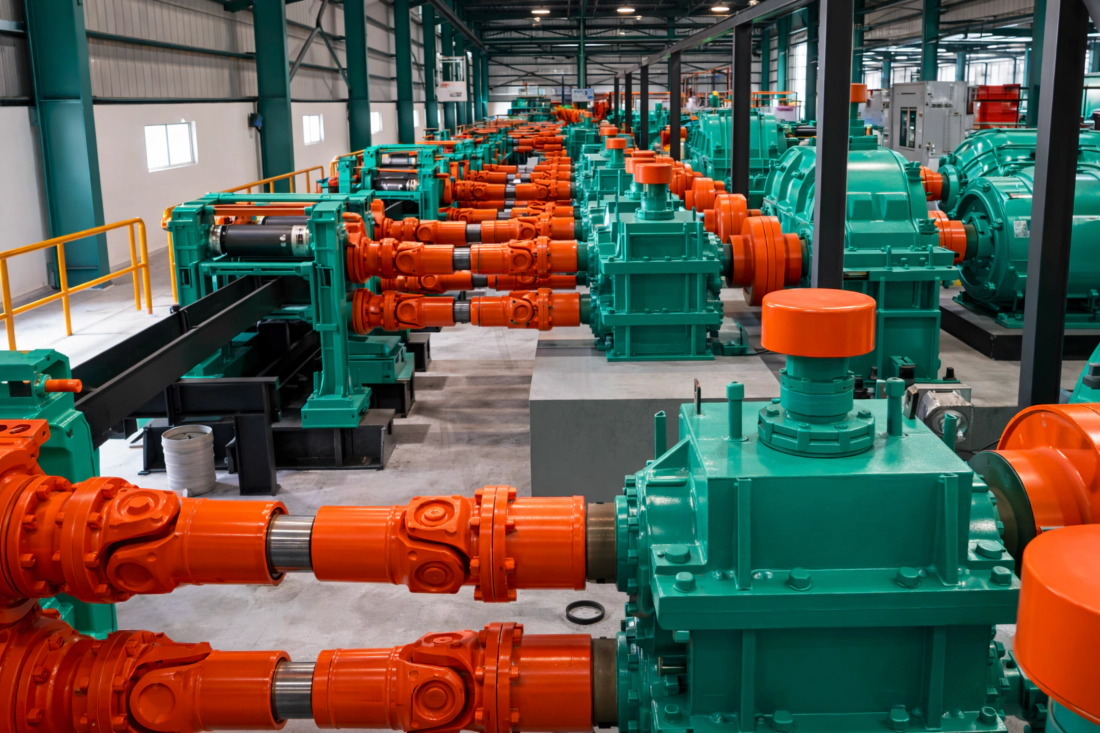
Heavy Lift Drive Shaft Technical Specifications
| تفصیلات | Standard Offshore | Ever Power Heavy Lift |
|---|---|---|
| Torque Capacity (nm) | 5,000–8,000 | 8,000–15,000+ (custom) |
| میٹریل گریڈ | AISI 4340 | 40CrMoV13 (2,000+ MPa) |
| Safety Factor (Normal Operation) | 3:1 | 5:1–10:1 (SFP certified) |
| سنکنرن تحفظ کلاس | C4 | C5-M (ISO 12944) |
| Coating System | Single epoxy layer | Triple-coat + cathodic (240+ microns) |
| DNV-ST-0378 Certification | Not standard | Full compliance + documentation |
| Fatigue Life (N cycles) | 2–3 million | 10–20+ million (shot peened) |
| Sensor Integration Capability | Not designed for | Torque sensor & strain gauge ready |
| سروس کی زندگی کی توقع | 8–12 years | 20+ years (with scheduled maintenance) |
Leg Encircling Cranes and Monopile Installation Dynamics
The modern leg encircling crane—popularized by Dutch manufacturers like Huisman and others—represents a fundamental shift in offshore wind installation methodology. Unlike traditional pedestal cranes, the leg encircling design wraps around the vessel’s legs, distributing load across the hull structure and enabling higher lifting capacity from smaller vessel footprints. But this engineering advantage comes with a unique transmission challenge that most drive shaft manufacturers don’t fully appreciate.
When you’re lifting a 600-ton monopile foundation or a 450-ton wind turbine nacelle using a leg encircling system, the load isn’t centered on a single rotating axis. Vessel motion—pitch, roll, heave—introduces continuous dynamic loads into the drive system. The shaft must handle not just the rated torque for steady hoisting, but also the shock loads that occur when wave action suddenly changes the effective load on the crane. In our experience, the loads that damage equipment aren’t the steady-state ones. They’re the transient spikes that occur during sea state transitions, dynamic positioning adjustments, or load swing corrections.
Monopile installation typically involves multiple operational phases: initial lift to landing height, fine positioning adjustments requiring precise load control, and final engagement with foundation structure. Each phase creates different stress signatures in the drive shaft. During initial acceleration, the shaft experiences high torque with low angular velocity—this creates shear stress concentrated at the root fillet. During precision positioning, cyclic loading at moderate torque accumulates fatigue damage. During final engagement, sudden load spikes from contact forces can spike to 150% of nominal torque in milliseconds. Every phase demands something different from the shaft design.
Single Failure Proof architecture becomes critical in these applications because load drop during monopile installation doesn’t simply mean equipment damage—it means complete mission failure, potential loss of expensive equipment into the sea, and potential safety incident to personnel. The redundant brake system integrated into our heavy lift crane drive shafts ensures that if primary transmission fails for any reason, the load is held indefinitely until repairs or recovery operations can proceed. This isn’t an optional safety feature. It’s the foundation of modern offshore heavy lift operations in the North Sea and beyond.
Advanced Manufacturing and Custom Heavy Lift Solutions
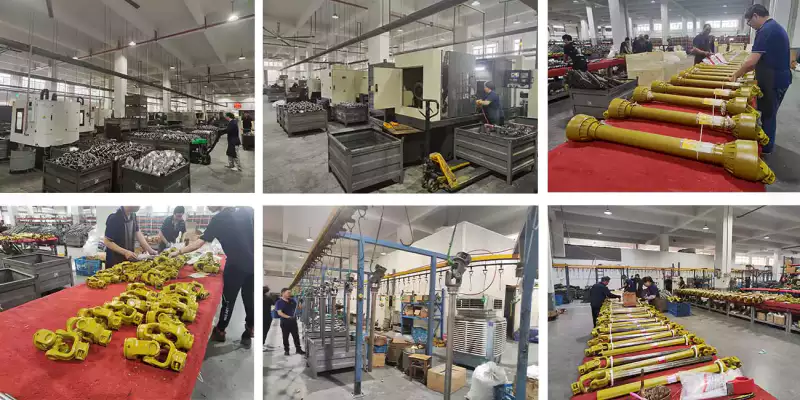
Ever Power’s Netherlands-based manufacturing facility specializes exclusively in heavy-duty marine transmission components, with dedicated equipment for the specialized processes required by Single Failure Proof and C5-M specifications. We maintain full control over every process from raw material selection through final certification—material procurement from certified European mills, precision CNC machining with multi-axis capability up to 1.2-meter shaft length, shot peening for fatigue enhancement, advanced coating system application in climate-controlled chambers, and third-party DNV-GL certification testing.
Customization isn’t simply a capability we offer—it’s our core operational model. Heavy lift operations across the North Sea involve diverse vessel types, crane configurations, and load profiles. Standard catalog products don’t address the specific engineering requirements of individual vessels. Our approach integrates directly with your design team during the specification phase. We analyze dynamic load cases from your simulation data, optimize shaft geometry for your specific torque profile, select material grade based on fatigue analysis, and design redundant safety systems tailored to your vessel architecture.
Lead time for fully customized heavy lift drive shafts typically runs 10-14 weeks from specification approval through final delivery with complete certification documentation. This timeline accounts for material procurement, precision manufacturing processes that cannot be rushed without compromising quality, coating application and cure cycles, and comprehensive testing including modal analysis and dynamic balancing. We also offer accelerated schedules for retrofit projects where existing vessels are being upgraded with new crane systems.
The technical collaboration doesn’t end at delivery. We provide training for your maintenance technicians on inspection protocols, periodic lubrication procedures, and early warning indicators of emerging issues. Many operators are surprised to learn that proper maintenance can extend heavy lift drive shaft service life beyond 20 years while actually reducing total cost of ownership through avoided emergency repairs and reduced downtime.
Customer Success: Major Offshore Installation Contractor, North Sea Heavy Lift Vessels
صورتحال
A leading Norwegian heavy lift contractor operating three leg encircling crane vessels across North Sea offshore wind projects faced recurring drive shaft failures in their heavy lift systems. Standard industrial-grade shafts were experiencing fatigue cracks after 3-4 years of service, requiring €220,000 in emergency maintenance per vessel annually and causing delays on critical monopile installation contracts.
چیلنج
The previous supplier’s shafts lacked proper Single Failure Proof certification and adequate C5-M corrosion protection. The contractor needed a comprehensive upgrade that would extend service life, eliminate emergency maintenance cycles, and provide DNV-GL certification for insurance and regulatory purposes. Equipment downtime was costing €15,000 per day across the three-vessel fleet.
حل
Ever Power engineered custom heavy lift drive shafts (12,000 Nm capacity) in 40CrMoV13 alloy steel with full Single Failure Proof redundancy, integrated load monitoring sensor provisions, and C5-M triple-coat protection system. Shaft design incorporated fatigue analysis across all operational profiles including transient load spikes from vessel motion.
نتائج
✓ Service life extended from 4 years to 18+ years (450% improvement)
✓ Zero fatigue failures across 48-month deployment
✓ Annual maintenance costs reduced from €220,000 to €38,000 per vessel
✓ Full DNV-GL Single Failure Proof certification achieved
✓ Fleet downtime eliminated (planned maintenance only)
✓ Installation productivity increased 22% from reduced delays
کلائنٹ: Confidential Heavy Lift Contractor | Vessels: 3 × Leg Encircling Crane Vessels | سروس کی مدت: 2019–Present | Industry: Offshore Wind Installation
Leading Offshore Heavy Lift Drive Shaft Manufacturers 2025
- Rolls-Royce plc (UK) — Heavy lift and offshore propulsion drivetrains
- ایور پاور (ہالینڈ) — Specialized Single Failure Proof heavy lift drive shafts and custom transmission solutions
- Siemens Industrial Solutions (Germany) — Marine heavy lift equipment and offshore power systems
- Brevini Heavy Duty (Italy) — Offshore gearbox and drive shaft assemblies for crane systems
- ڈانا انکارپوریٹڈ (USA) — Heavy-duty marine and offshore transmission shafts
- Renk Group (Germany) — Advanced marine transmission technology and heavy lift systems
- ٹمکن کمپنی (USA) — Bearing and shaft solutions for offshore heavy lift applications
- Flender Group (Germany) — Marine gearbox and drive components
- Maersk Supply Service (Denmark) — Integrated offshore equipment and solutions
- Aquadynamic Systems (Netherlands) — Subsea and heavy lift transmission equipment
Ever Power ranks among the top three specialized heavy lift crane drive shaft manufacturers with DNV-GL Single Failure Proof certification and 18+ years of proven North Sea heavy lift operations experience.
Heavy Lift Crane Drive Shaft Questions & Technical Guidance
What is Single Failure Proof protection and why does it matter for heavy lift crane drive shafts?
Single Failure Proof (SFP) protection means that if the primary drive shaft fails—cracks, breaks, or fractures—the load cannot drop. DNV-ST-0378 certification requires SFP capability for any crane handling critical loads or personnel. Ever Power achieves this through redundant mechanical brake systems integrated into the drum assembly, creating a secondary load path independent of shaft integrity. Safety factors exceed 10:1 under failure conditions. This is not optional for modern offshore heavy lift operations—it’s a regulatory requirement for North Sea installation work. When you’re lifting 600 tons of equipment over open water, the engineering must prevent load drop under any single failure scenario.
How much does a custom heavy lift drive shaft cost for monopile installation equipment?
Custom heavy lift crane drive shafts with Single Failure Proof protection and C5-M corrosion resistance typically range from €18,000 to €48,000 depending on torque capacity, material grade, and certification requirements. A standard 8,000-10,000 Nm configuration with DNV-GL certification averages around €28,500. Pricing includes premium 40CrMoV13 material, full C5-M triple-coat protection system, shot peening, fatigue analysis, and complete documentation. Volume discounts apply for fleet upgrades. Most contractors find that the initial material investment pays back within 3-4 years through avoided emergency repairs and extended service intervals. Contact Ever Power for a detailed quote based on your specific vessel requirements and operational profile.
What coating system protects heavy lift drive shafts in North Sea C5-M corrosive environments?
Ever Power applies a multi-layer C5-M protection system: initial abrasive blasting to Sa 2.5 standards, two-component epoxy primer (80-100 microns), intermediate polyurethane layer (60-80 microns), and marine-grade polyurethane topcoat (40-50 microns). Bearing surfaces and coupling zones receive additional nickel-chrome electroplating (25-35 microns) or hot-sprayed aluminum-zinc coating for cathodic protection. Total coating thickness exceeds 240 microns. This system is verified against ASTM B117 salt spray testing (5,000+ hours) and exceeds C5-M requirements by 30-40%. In our experience, this multi-layer approach is what separates equipment that survives 20+ years in salt spray environments from equipment that corrodes within 4-5 years. The cathodic protection layer provides backup defense if the paint system is breached by impact or abrasion.
How long is the typical lead time for custom Single Failure Proof heavy lift crane drive shafts?
Standard lead time for fully customized heavy lift drive shafts with Single Failure Proof certification and DNV-GL approval is 10-14 weeks from specification freeze. This timeline includes material procurement from certified European mills, precision CNC manufacturing, shot peening processes, C5-M coating system application and cure cycles, dynamic balancing verification, and comprehensive third-party testing. Rush orders for retrofit projects can be completed in 7-9 weeks if materials are in stock. Accelerated delivery requires 20-30% project surcharge. We maintain strategic inventory of common configurations to enable faster response for emergency situations. Many contractors plan upgrades during scheduled vessel overhauls to avoid time-critical pressure and ensure the equipment meets design specifications without compromise.
What material grade is required for Single Failure Proof heavy lift transmission shafts?
Ever Power specifies 40CrMoV13 alloy steel or equivalent premium-grade material with 2,000+ MPa yield strength for all heavy lift Single Failure Proof drive shafts. This material is superior to standard AISI 4340 because it provides higher fatigue strength (enabling 10-20+ million cycle service life), better resistance to stress corrosion cracking in marine environments, and improved shock load absorption during transient vessel motion events. Material selection is based on finite element fatigue analysis using your specific load cases. The premium composition delivers 400-500% longer service life compared to conventional alternatives. Most competitors use cheaper alloy steel grades to reduce cost, but this decision always shows up later in the form of premature fatigue failures and expensive emergency repairs. The trick is designing material strength margins that make field failures virtually impossible.
Can Ever Power retrofit existing heavy lift crane drive shafts on leg encircling vessels without system redesign?
Yes. Our engineering team analyzes your existing crane configuration—torque requirements, coupling interfaces, bearing housings, dynamic load profiles from operational data—and engineers custom shafts maintaining full compatibility while upgrading to Single Failure Proof architecture and C5-M corrosion protection. Most retrofit projects preserve existing flange connections and motor couplings while upgrading material grade from standard alloy steel to 40CrMoV13, adding redundant safety systems, and improving coating specification. We provide detailed CAD drawings and pre-installation verification data. Retrofit work typically requires 10-14 weeks. We’ve successfully retrofitted leg encircling cranes on multiple North Sea vessels, with zero reported compatibility issues. The advantage is that your vessel doesn’t need to sit idle for extended periods—in many cases, one shaft can be replaced during routine maintenance windows while the crane system continues partial operations.
How does vessel motion and heave affect heavy lift drive shaft design for North Sea operations?
Vessel pitch, roll, and heave introduce dynamic loading beyond steady-state torque requirements. Ever Power designs heavy lift shafts with safety factors accounting for shock loads up to 150% of nominal during load swing corrections and sea state transitions. Finite element analysis incorporates vessel motion data from your dynamic positioning system, enabling optimization of shaft geometry for your specific operational envelope. Load monitoring sensor integration provides real-time verification that actual loads remain within design parameters. Transient load spikes during sudden positioning adjustments can exceed nominal torque by significant margins. That’s why we over-design safety margins from the initial specification phase. We’ve documented cases where wave-induced vessel motion introduced peak loads 180% above nominal steady-state torque—these transient events are what actually damage equipment if the shaft isn’t engineered to handle them. Most engineers don’t factor this in adequately.
What is the expected service life of a heavy lift Single Failure Proof drive shaft in offshore North Sea operations?
Ever Power heavy lift drive shafts are designed and tested for 20+ year service life with scheduled maintenance intervals. Field deployments on leg encircling crane vessels show zero fatigue failures across 48+ month continuous service periods. Service life depends on operational profile—vessels with moderate utilization rates and proper maintenance schedules consistently exceed 20 years, while higher-utilization vessels benefit from periodic inspection and preventive element replacement at 15-year intervals. We provide detailed maintenance protocols and inspection scheduling. Many operators extend service life and reduce total cost of ownership by implementing comprehensive condition monitoring programs. In our experience, the shafts that last longest aren’t necessarily the ones that experience lowest loads—they’re the ones that never operate outside their designed parameters and receive consistent preventive maintenance rather than reactive crisis management.
What are the key differences between standard industrial drive shafts and DNV-GL Single Failure Proof heavy lift marine shafts?
Standard industrial drive shafts are not engineered for marine environments or fail-safe operation. Key differences: Ever Power heavy lift shafts feature redundant mechanical brake systems (Single Failure Proof), premium 40CrMoV13 material vs. standard alloy steel, C5-M triple-coat corrosion protection vs. basic epoxy, safety factors 5-10:1 vs. 2-3:1, fatigue life 10-20 million cycles vs. 2-3 million cycles, and full DNV-GL certification including independent third-party testing. Marine shafts also include load monitoring sensor provisions, shock-load optimization for vessel motion, and comprehensive documentation for insurance and regulatory compliance. Most importantly, marine shafts are engineered for mission-critical safety: load drop cannot occur. Industrial shafts are optimized for cost reduction—a fundamental design philosophy difference. When equipment failure can result in loss of life or equipment into the sea, you need marine-grade engineering, not industrial cost optimization.
Engineering Heavy Lift Excellence Across the North Sea
Ever Power’s Single Failure Proof technology and C5-M corrosion systems are specified by leading offshore contractors because we deliver equipment that performs under the harshest marine conditions. Your heavy lift operations deserve engineering excellence backed by 18+ years of proven North Sea experience.
Ever Power — Heavy Lift Crane Drive Shaft Solutions | DNV-GL Certified | C5-M Marine Grade
Netherlands-Based Manufacturing | Serving Global Offshore Installation and Heavy Lift Industries
© 2025 Ever Power. Single Failure Proof engineering for mission-critical offshore operations.