The Sound of Silence at 20,000 RPM: Precision Couplings for Dutch E-Motor Test Benches
Data noise is the enemy. In the high-stakes world of EV development, your dynamometer’s drivetrain should be invisible. We engineer zero-backlash, acoustically deadened drive shafts that deliver pure torque measurement, even when the redline hits 25,000 RPM.
I have spent the last 18 years troubleshooting vibration issues in test cells, from the heavy-duty diesel labs in the Port of Rotterdam to the clean-room electric motor facilities at the High Tech Campus in Eindhoven. There is a specific moment in a test run—usually around 12,000 RPM—where a standard drive shaft decides it has had enough. It starts to “whip.” The vibration sensors trip the safety interlock, and days of setup time are lost.
The problem is that many test engineers try to apply traditional industrial logic to modern EV testing. They use standard Cardan shafts (Hooke’s joints). While robust, a Cardan joint inherently creates a non-uniform velocity profile if there is even a fraction of a degree of misalignment. At 2,000 RPM, you don’t notice it. At 20,000 RPM, that tiny velocity fluctuation creates a torsional resonance that destroys your torque transducer’s accuracy.
For the Dutch automotive innovation sector—companies pushing the boundaries of efficiency in Helmond and Delft—we recommend a different approach. We utilize Multiple-Disc (Membrane) Couplings அல்லது Constant Velocity (CV) joints. These designs offer true zero-backlash performance and infinite fatigue life if sized correctly. We focus on “Stiffness-to-Weight” ratios, often using titanium or carbon fiber composites to push the shaft’s natural frequency well above your testing window.
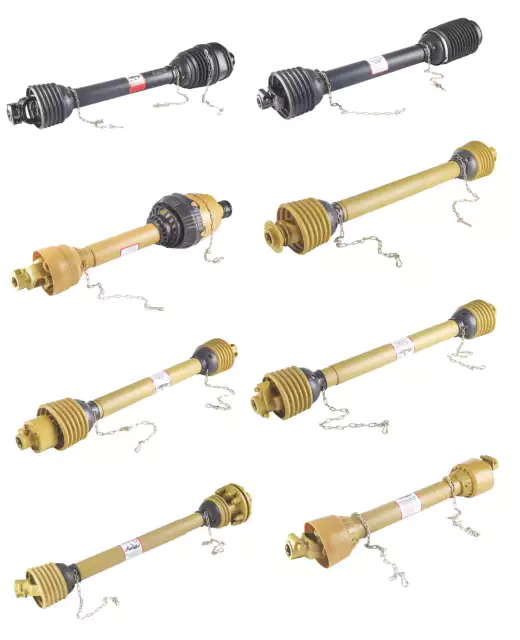
🛠️ Engineer’s Field Note: The “Ghost” Ripple in Eindhoven
“In 2023, I was called into a startup lab near Eindhoven Airport. They were testing a new axial-flux motor for a solar car project. The motor was incredibly smooth, but their data acquisition system kept showing a 2% torque ripple at high speeds. They blamed the inverter switching frequency.
I asked to see the drivetrain connecting the motor to the dyno. It was a splined steel shaft with a standard keyway. I explained that at 15,000 RPM, the tiny clearance in that keyway acts like a hammer. Every time they accelerated, the ‘slop’ created a micro-shock. We replaced it with a Friction-Locking Clamp Hub (Shrink Disc) and a titanium bellows coupling. The connection was now essentially solid metal. The ‘ghost’ ripple disappeared instantly. In high-speed testing, friction is your friend; clearance is your enemy.”
Technical Specifications: Series DYN-X Precision
These parameters are not catalog generics. They are generated based on the specific demands of high-speed, high-bandwidth testing required by the Dutch e-mobility sector.
| அளவுரு வகை | விவரக்குறிப்பு தரவு | பொறியியல் தர்க்கம் |
|---|---|---|
| பெயரளவு முறுக்குவிசை (Tn) | 50 – 2,500 Nm | Sized for E-Axles & Motors |
| அதிகபட்ச சுழற்சி வேகம் | Up to 28,000 RPM | Requires Carbon Fiber Tube |
| சமநிலைப்படுத்தும் தரம் | G 2.5 (Standard) / G 1.0 (Opt) | ISO 1940-1 Precision |
| முறுக்கு விறைப்பு | 150 – 900 kNm/rad | High stiffness for bandwidth |
| Axial Stiffness | < 10 N/mm | Protect Dyno Bearings |
| பின்னடைவு | 0.00° (Zero) | Essential for transient test |
| மந்தநிலையின் நிறை தருணம் | 0.002 – 0.08 கி.கி.மீ² | Low inertia for dynamic response |
| இணைப்பு வகை | Multi-Disc / Metal Bellows | No wearing parts |
| Misalignment Comp (Angular) | 0.5° – 1.5° | Disc pack flex capacity |
| Misalignment Comp (Axial) | ± 2mm to ± 10mm | Thermal growth absorption |
| குழாய் பொருள் | CFRP / Titanium / Steel | Filament wound for critical speed |
| மையப் பொருள் | 7075-T6 Alum / 42CrMo4 | Lightweight vs Strength |
| இணைப்பு வகை | Shrink Disc / Clamping Hub | No keyways allowed |
| இயக்க வெப்பநிலை | -40°C முதல் +150°C வரை | Climate chamber ready |
| முறுக்கு வரம்பு | Integrated Ball-Detent | Protect prototype DUT |
| அதிர்வு தணிப்பு | Composite Matrix | Absorbs harmonic noise |
| Concentricity (TIR) | < 0.02 மிமீ | Precision piloting |
| Pilot Fit Tolerance | H6 / g6 | Interference fit preferred |
| போல்ட் தரம் | 12.9 (Balanced) | Weight-matched bolts |
| Fatigue Limit | Infinite at rated Tn | Designed for 10^8 cycles |
| Critical Speed (1m span) | > 22,000 RPM | With CFRP tube |
| ஃபிளேன்ஜ் தரநிலை | Custom / DIN / SAE | Machined to match the dyno |
| எடை | 1.5 kg – 18 kg | Ultra-lightweight options |
| மேற்பரப்பு பூச்சு | Anodized / Polished | Clean room compatible |
| பாதுகாப்பு காரணி | 2.0 x Tn (Yield) | Conservative rating |
| ஆவணப்படுத்தல் | Balancing Report/Material Cert | Traceability provided |
The Engineering Reality: R&D Pain Points Solved
🚫 Pain Point: Thermal Expansion Loading
“We destroyed the front bearing of our €50,000 dynamometer because the drive shaft was too axially stiff. When the engine under test heated up and expanded 2mm, the shaft pushed back like a solid rod.”
✅ எப்போதும் சக்தி வாய்ந்த தீர்வு
We engineer shafts with Low Axial Stiffness diaphragm packs. These thin metal membranes allow the shaft to ‘breathe’ axially, absorbing thermal growth with less than 15N of reactionary force, protecting your sensitive load cells and bearings.
🚫 Pain Point: Critical Speed “Whip.”
“We needed a 1.5-meter-long shaft to reach through a climate chamber wall. At 8,000 RPM, the steel shaft hit its natural frequency and bent like a banana.”
✅ எப்போதும் சக்தி வாய்ந்த தீர்வு
We switched the material to a Carbon Fiber Reinforced Polymer (CFRP) tube. Carbon fiber is 5x stiffer than steel by weight. This pushed the natural frequency (critical speed) of the shaft to over 14,000 RPM, allowing safe operation through the entire test range.
Supporting the Dutch Innovation Ecosystem
The Netherlands is small, but its footprint in automotive R&D is massive. From the VDL manufacturing lines to the solar car teams at TU Delft, the demand for precision is non-negotiable. We understand that your test bench is a profit center only when it is running. A week waiting for a replacement coupling from a catalog supplier is a week of lost data.
We offer “Rapid Response Manufacturing” for the Benelux region. If you are building a custom rig in Helmond and need a specific adapter plate to mate a Porsche motor to an AVL dyno, we can machine, balance, and ship it within days. We don’t just sell part numbers; we sell the assurance that your test setup is mathematically valid.
Tailored to Your Test Rig
Off-the-shelf components rarely fit custom prototype setups. You need specific lengths, specific bolt patterns, and specific inertia values.
We provide:
- தனிப்பயன் ஃபிளேன்ஜ் அடாப்டர்கள்: Converting DIN to SAE or bespoke patterns.
- Inertia Tuning: Adding or removing mass to simulate real-world vehicle drivelines.
- Integrated Torque Limiters: Shear-pin or ball-detent clutches to save your prototype if the control loop fails.
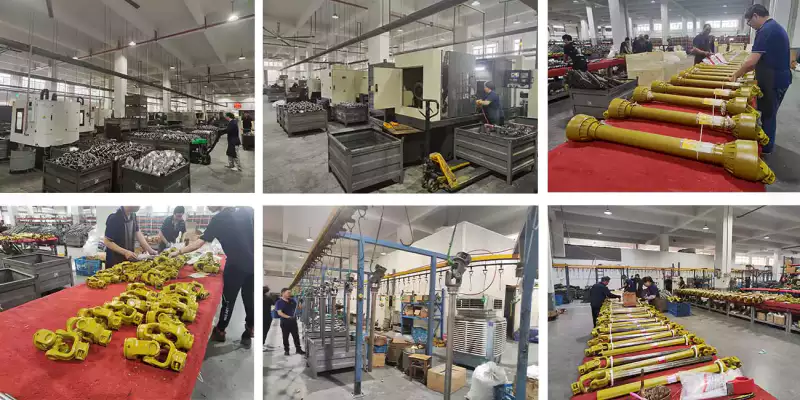
Success Story: The Helmond E-Truck Project
A heavy-duty electric truck developer based in Helmond needed to test a dual-motor e-axle configuration. The torque was massive (4,000 Nm), but the speed was also high (up to 5,000 RPM). They were using a standard industrial cardan shaft, but the backlash in the splines was causing stability issues in their traction control software testing.
- பிரச்சனை: “Stick-slip” behavior in the splines during zero-torque crossings confused the control algorithms.
- சரிசெய்தல்: We engineered a custom Double-Flexing Steel Disc Coupling. This design uses packs of stainless steel shims to transmit torque. It is torsionally rigid but flexible in bending.
- முடிவு: The new coupling had absolutely zero backlash. The control engineers could finally tune their PID loops with precision, reducing their development time by three weeks. The client has since standardized this coupling for all their end-of-line test rigs.
From the Clean Lab to the Muddy Field: Our Gearbox Expertise
It might seem contradictory to discuss micron-level precision for test benches in one breath and heavy-duty agricultural gearboxes in the next. However, at EVER-POWER, we view these two worlds as interconnected through the discipline of Torque Management. The same physics that apply to a high-speed dyno shaft—gear geometry, bearing preload, and thermal dissipation—are critical in the design of a robust agricultural gearbox.
Precision Where It Counts
Consider the humble rotary cutter gearbox. It spends its life covered in mud, slammed into rocks, and driven by high-torque tractor PTOs. A poorly designed gearbox will whine and overheat, signs of inefficient gear meshing. We apply the “Lab Mentalities” to our agricultural production. We use Class 8 to Class 10 gear grinding on our spiral bevel gears. This ensures that the contact patch is optimized, reducing noise (vibration) and heat. In a Dutch agricultural contracting business, where machines run 18 hours a day during the harvest season, this efficiency translates directly to fuel savings and longevity.
A Comprehensive Range
We manufacture a wide array of gearboxes that are compatible with the PTO shafts we supply. This “Matched Drivetrain” approach ensures tolerance harmony between the shaft yoke and the gearbox input spline.
- Right Angle Gearboxes: Rated from 15HP to 180HP, ideal for rotary cutters, finishing mowers, and fertilizer spreaders.
- T-Box and L-Box Drives: Used for splitting power to multiple decks or driving irrigation pumps.
- வேகத்தை அதிகரிக்கும் கருவிகள்: For driving hydraulic pumps or fans from a standard 540 RPM PTO.
The Matched Set Advantage
The number one failure mode we see in agricultural drivelines is the connection interface. If you buy a PTO shaft from one vendor and a gearbox from another, the spline fit (usually 1-3/8″ Z6) might be loose. This “slop” creates fretting corrosion—that red rust powder you see on failed shafts.
உங்கள் இரண்டையும் மூலமாகப் பெறுவதன் மூலம் PTO ஷாஃப்ட்கள் மற்றும் கியர்பாக்ஸ்கள் EVER-POWER-இடமிருந்து, உங்களுக்குத் துல்லியமான பொருத்தம் உறுதி செய்யப்படுகிறது. நாங்கள் ஆண் மற்றும் பெண் ஸ்ப்ளைன்கள் இரண்டின் சகிப்புத்தன்மையையும் கட்டுப்படுத்தி, உங்கள் முதலீட்டைப் பாதுகாக்கும் இறுக்கமான, அதிர்வற்ற இணைப்பை உறுதி செய்கிறோம். நீங்கள் ஆய்வகத்தில் போக்குவரத்தின் எதிர்காலத்தைச் சோதித்தாலும் சரி, அல்லது வயலில் உணவின் எதிர்காலத்தை அறுவடை செய்தாலும் சரி, நீங்கள் நம்பக்கூடிய டிரான்ஸ்மிஷன் தீர்வுகளை EVER-POWER வழங்குகிறது.
அடிக்கடி கேட்கப்படும் கேள்விகள் (FAQ)
நெதர்லாந்திற்கு தனிப்பயன் சமநிலை தண்டுக்கான முன்னணி நேரம் என்ன?
தனிப்பயனாக்கப்பட்ட, இயந்திரத்தால் செதுக்கப்பட்ட மற்றும் சமநிலைப்படுத்தப்பட்ட தண்டுகளுக்கு, எங்களின் வழக்கமான உற்பத்தி நேரம் 15-20 நாட்கள் ஆகும். இருப்பினும், அவசர ஆராய்ச்சி மற்றும் மேம்பாட்டுத் தேவைகளுக்காக, நாங்கள் கையிருப்பில் உள்ள வெற்றுத் தண்டுகளைப் பயன்படுத்தி, இயந்திரத்தால் செதுக்கி/சமநிலைப்படுத்தும் பணிகளை விரைவுபடுத்தி, 7 நாட்களுக்குள் ஆம்ஸ்டர்டாமிற்கு (ஷிபோல்) விமானம் மூலம் அனுப்ப முடியும்.
6,000 RPM-க்கு மேற்பட்ட வேகங்களுக்கு கார்டன் ஷாஃப்ட்டைப் பயன்படுத்தலாமா?
இது ஆபத்தானது. வழக்கமான கார்டன் ஷாஃப்டுகள் உள் இடைவெளிகளையும் ஒப்பீட்டளவில் அதிக நிறையையும் கொண்டுள்ளன. 6,000 RPM-க்கு மேல், மையவிலக்கு விசைகள் பூட்டை பலூன் போல உப்பச் செய்யலாம் அல்லது இணைப்பை வேகமாகச் சுழலச் செய்யலாம். அதிவேகப் பயன்பாடுகளுக்கு டிஸ்க் அல்லது டயாஃப்ரம் கப்ளிங்குகளுக்கு மாறுமாறு நாங்கள் வலுவாகப் பரிந்துரைக்கிறோம்.
நீங்கள் இருப்புச் சான்றிதழ்களை வழங்குகிறீர்களா?
ஆம். நாங்கள் அனுப்பும் ஒவ்வொரு அதிவேக ஷாஃப்ட்டும், குறிப்பிட்ட திருத்தத் தளங்களில் உள்ள ஆரம்ப மற்றும் இறுதி எஞ்சிய சமநிலையற்ற மதிப்புகளைக் காட்டும் வரிசைப்படுத்தப்பட்ட சமநிலைப்படுத்தும் அறிக்கையுடன் வருகிறது. இது உங்கள் தர உறுதித் துறைக்கு முழுமையான தடமறிதலை உறுதி செய்கிறது.
பின்னடைவு இல்லாத ஷாஃப்டை எவ்வாறு சீரமைப்பது?
துல்லியமான ஷாஃப்டுகளுக்குத் துல்லியமான சீரமைப்பு தேவைப்படுகிறது. கோண விலகலை 0.5 டிகிரிக்குக் கீழும், இணை விலகலை 0.1 மிமீக்குக் கீழும் கொண்டுவர, லேசர் சீரமைப்பைப் பரிந்துரைக்கிறோம். இது, இணைப்பானது அதன் முடிவற்ற சோர்வு ஆயுள் வரம்பிற்குள் செயல்படுவதை உறுதி செய்கிறது.