Produktbeskrivning
High End Best Selling pto shaft clutch for farm implement
1. Rör eller rör
Vi har redan triangulära profilrör och citronprofilrör för alla serier vi tillhandahåller.
Och vi har några stjärnrör, splinesrör och andra profilrör som våra kunder behöver (för en viss serie). (Observera att vår katalog inte innehåller alla artiklar vi producerar)
Om du vill ha andra rör än triangulära eller citronfärgade, vänligen bifoga ritningar eller bilder.
2. Ändok
Vi har flera typer av snabbkopplingsok och glidgaffel. Jag föreslår den vanliga typen som referens.
Du kan också skicka ritningar eller bilder till oss om du inte hittar din vara i vår katalog.
3. Säkerhetsanordningar eller kopplingar
Jag bifogar detaljer om säkerhetsanordningar som referens. Vi har redan frihjul (RA), spärrmomentbegränsare (SA), brytbultsmomentbegränsare (SB), 3 typer av friktionsmomentbegränsare (FF, FFS, FCS) och frihjulskopplingar (adaptrar) (FAS).
4. För ytterligare speciella krav gällande plastskydd, anslutningsmetod, färg på målning, förpackning etc., tveka inte att meddela mig.
Drag:
1. Vi har specialiserat oss på design och tillverkning av drivaxlar, styrkopplingsaxlar och universalkopplingar, vilka har exporterats till USA, Europa, Australien etc. i åratal.
2. Tillämpning på alla typer av allmänna mekaniska situationer
3. Våra produkter har hög intensitet och styvhet.
4. Värmebeständig och syrabeständig
5. OEM-beställningar välkomnas
Our factory is a leading manufacturer of PTO shaft yoke and universal joint.
We manufacture high quality PTO yokes for various vehicles, construction machinery and equipment. All products are constructed with rotating lighter.
We are currently exporting our products throughout the world, especially to North America, South America, Europe, and Russia. If you are interested in any item, please do not hesitate to contact us. We are looking CHINAMFG to becoming your suppliers in the near future.
/* 22 januari 2571 19:08:37 */!function(){function s(e,r){var a,o={};try{e&&e.split(“,”).forEach(function(e,t){e&&(a=e.match(/(.*?):(.*)$/)))
| Typ: | Gaffel |
|---|---|
| Användande: | Bearbetning av jordbruksprodukter, jordbruksinfrastruktur, jordbearbetning, skördare, plantering och gödsling, spannmålströskning, rengöring och torkning |
| Material: | Kolstål |
| Anpassning: |
Tillgänglig
| Anpassad förfrågan |
|---|
.shipping-cost-tm .tm-status-off{bakgrund: ingen;fyllning: 0;färg: #1470cc}
| Fraktkostnad:
Beräknad frakt per enhet. |
om fraktkostnad och beräknad leveranstid. |
|---|
| Betalningsmetod: |
|
|---|---|
|
Första betalningen Full betalning |
| Valuta: | US$ |
|---|
| Retur och återbetalning: | Du kan ansöka om återbetalning upp till 30 dagar efter att du mottagit produkterna. |
|---|
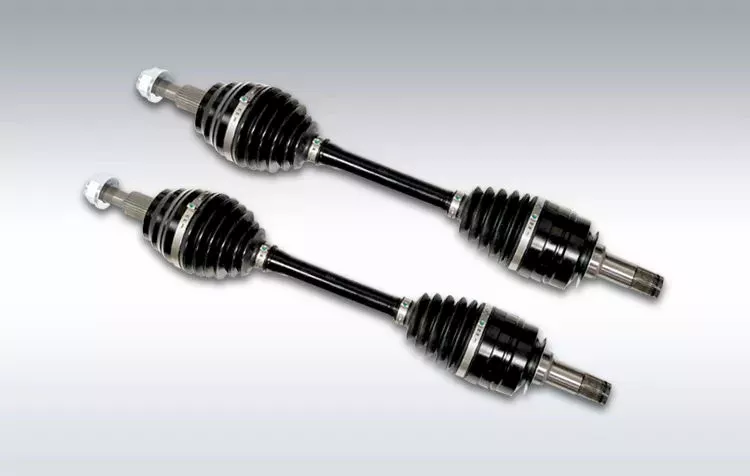
How do PTO shafts handle variations in length and connection methods?
PTO (Power Take-Off) shafts are designed to handle variations in length and connection methods to accommodate different equipment setups and ensure efficient power transfer. PTO shafts need to be adjustable in length to bridge the distance between the power source and the driven machinery. Additionally, they must provide versatile connection methods to connect to a wide range of equipment. Here’s a detailed explanation of how PTO shafts handle variations in length and connection methods:
1. Telescoping Design: PTO shafts often feature a telescoping design, allowing them to be adjusted in length to suit different equipment configurations. The telescoping feature enables the shaft to extend or retract, accommodating varying distances between the power source (such as a tractor or engine) and the driven machinery. By adjusting the length of the PTO shaft, it can be properly aligned and connected to ensure optimal power transfer. Telescoping PTO shafts typically consist of multiple tubular sections that slide into one another, providing flexibility in length adjustment.
2. Splined Shafts: PTO shafts commonly employ splined shafts as the primary connection method between the power source and driven machinery. Splines are a series of ridges or grooves along the shaft that interlock with corresponding grooves in the mating component. The splined connection allows for torque transfer while maintaining alignment between the power source and driven machinery. Splined shafts can handle variations in length by extending or retracting the telescoping sections while still maintaining a solid connection between the power source and the driven equipment.
3. Adjustable Sliding Yokes: PTO shafts typically feature adjustable sliding yokes on one or both ends of the shaft. These yokes allow for angular adjustment, accommodating variations in the alignment between the power source and driven machinery. The sliding yokes can be moved along the splined shaft to achieve the desired angle and maintain proper alignment. This flexibility ensures that the PTO shaft can handle length variations while ensuring efficient power transfer without placing excessive strain on the universal joints or other components.
4. Universal Joints: Universal joints are integral components of PTO shafts that allow for angular misalignment between the power source and driven machinery. They consist of a cross-shaped yoke with bearings that transmit torque between connected shafts while accommodating misalignment. Universal joints provide flexibility in connecting PTO shafts to equipment that may not be perfectly aligned. As the PTO shaft length varies, the universal joints compensate for the changes in angle, allowing for smooth power transmission even when there are variations in length or misalignment between the power source and driven machinery.
5. Coupling Mechanisms: PTO shafts utilize various coupling mechanisms to securely connect to the power source and driven machinery. These mechanisms often involve a combination of splines, bolts, locking pins, or quick-release mechanisms. The coupling methods can vary depending on the specific equipment and industry requirements. The versatility of PTO shafts allows for the use of different coupling methods, ensuring a reliable and secure connection regardless of the length variation or equipment configuration.
6. Customization Options: PTO shafts can be customized to handle specific length variations and connection methods. Manufacturers offer options to select different lengths of telescoping sections to match the specific distance between the power source and driven machinery. Additionally, PTO shafts can be tailored to accommodate various connection methods through the selection of splined shaft sizes, yoke designs, and coupling mechanisms. This customization enables PTO shafts to meet the specific requirements of different equipment setups, ensuring optimal power transfer and compatibility.
7. Säkerhetsaspekter: When handling variations in length and connection methods, it is essential to consider safety. PTO shafts incorporate protective guards and shields to prevent accidental contact with rotating components. These safety measures must be appropriately adjusted and installed to provide adequate coverage and protection, regardless of the PTO shaft’s length or connection configuration. Safety guidelines and regulations should be followed to ensure the proper installation, adjustment, and use of PTO shafts in order to prevent accidents or injuries.
By incorporating telescoping designs, splined shafts, adjustable sliding yokes, universal joints, and versatile coupling mechanisms, PTO shafts can handle variations in length and connection methods. The flexibility of PTO shafts allows them to adapt to different equipment setups, ensuring efficient power transfer while maintaining alignment and safety.
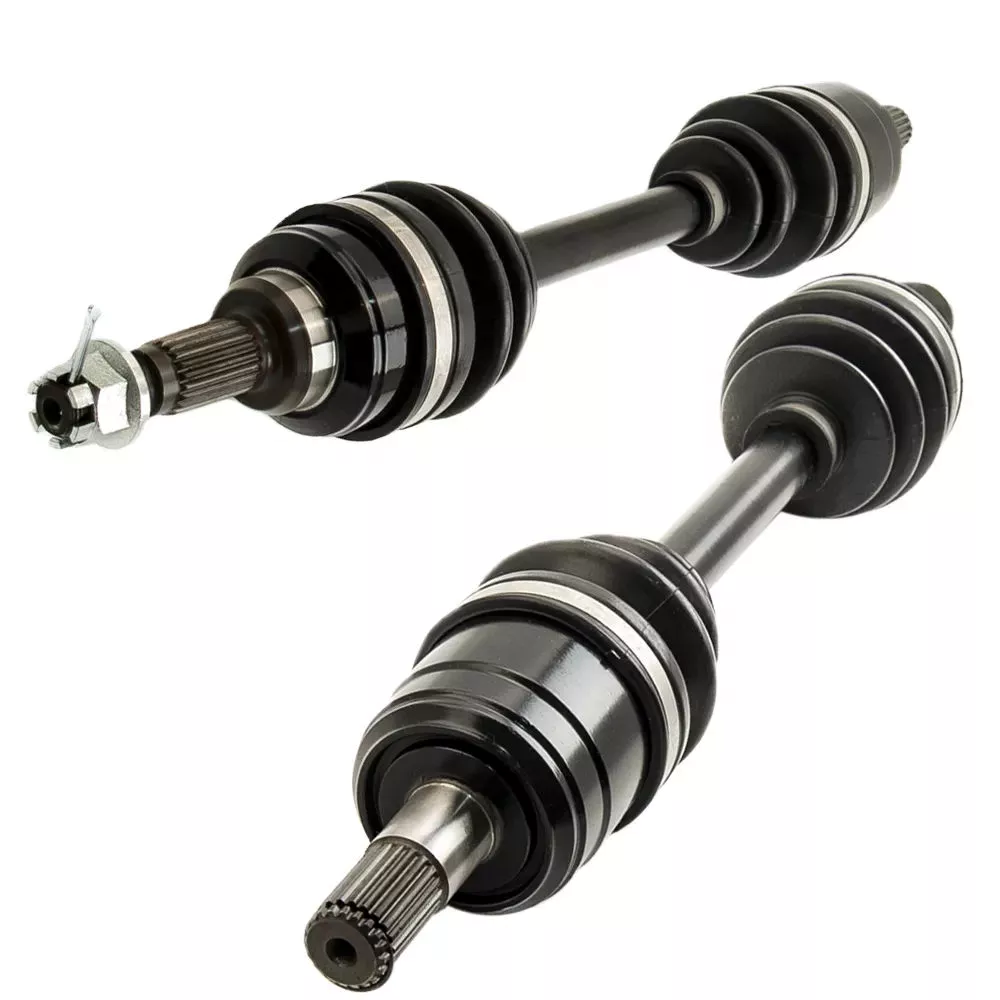
Can PTO shafts be customized for specific machinery and power requirements?
Yes, PTO (Power Take-Off) shafts can be customized to meet the specific machinery and power requirements of different applications. Manufacturers offer customization options to ensure that PTO shafts are precisely tailored to the power source, driven machinery, and the intended application. Here’s a detailed explanation of how PTO shafts can be customized:
1. Shaft Length: PTO shafts can be customized in terms of length to accommodate different equipment configurations. The length of the PTO shaft is critical to ensure proper alignment and connection between the power source and driven machinery. Manufacturers can provide PTO shafts with adjustable or fixed-length options, allowing for flexibility in meeting specific length requirements. Customizing the shaft length ensures that the PTO shaft fits the equipment properly, optimizing power transfer efficiency and reducing the risk of misalignment or excessive stress.
2. Spline Sizes: PTO shafts are available with different spline sizes to match the input and output shafts of various equipment. Spline size customization allows the PTO shaft to seamlessly connect to the power source and driven machinery. Manufacturers can offer different spline configurations, such as 1-3/8 inch, 1-3/4 inch, or metric sizes, to accommodate specific machinery requirements. Customizing the spline size ensures a proper fit and secure connection, enabling efficient power transfer without the need for additional adapters or modifications.
3. Yoke Designs: PTO shafts can be customized with different yoke designs to match the connection points on the power source and driven machinery. The yoke is the component that attaches to the shaft and connects to the equipment. Manufacturers can provide various yoke designs, such as round, triangular, or splined yokes, to ensure compatibility with specific machinery. Customizing the yoke design allows for a secure and reliable connection, aligning the PTO shaft with the equipment’s input/output shafts and optimizing power transmission efficiency.
4. Torque Ratings: PTO shafts can be customized to handle specific torque requirements based on the power demands of the application. Torque is the rotational force that the PTO shaft needs to transmit from the power source to the driven machinery. Manufacturers can design PTO shafts with different torque ratings by using appropriate materials, dimensions, and reinforcement techniques. Customizing the torque rating ensures that the PTO shaft can safely and reliably handle the required power levels without premature wear or failure.
5. Coupling Mechanisms: PTO shafts can be customized with different coupling mechanisms to match the connection requirements of specific equipment. Coupling mechanisms are the means by which the PTO shaft connects and disconnects from the power source and driven machinery. Manufacturers can provide various coupling options, such as quick-release couplings, shear pin couplings, or mechanical lock couplings, to accommodate different machinery designs and operational needs. Customizing the coupling mechanism ensures ease of use, secure attachment, and quick disengagement when necessary.
6. Protective Features: PTO shafts can be customized with additional protective features to enhance safety and durability. These features may include guard shields, safety covers, or slip clutches. Guard shields and safety covers provide physical protection by enclosing the rotating shaft and preventing accidental contact, reducing the risk of injuries. Slip clutches offer overload protection by allowing the PTO shaft to slip or disengage when excessive torque or resistance is encountered, preventing damage to the shaft and associated equipment. Customizing the protective features ensures compliance with safety regulations and addresses specific safety requirements of the machinery or application.
7. Material Selection: PTO shafts can be customized with different materials based on the application’s demands. Manufacturers can offer a range of material options, such as steel, aluminum, or composite materials, with varying strength, weight, and corrosion resistance properties. Customizing the material selection allows for optimizing the PTO shaft’s performance, considering factors like operating conditions, environmental exposure, and weight restrictions.
By providing customization options such as shaft length, spline sizes, yoke designs, torque ratings, coupling mechanisms, protective features, and material selection, manufacturers can ensure that PTO shafts are specifically tailored to meet the machinery and power requirements of different applications. Customized PTO shafts facilitate seamless integration, efficient power transfer, and reliable operation, enhancing the overall performance and productivity of the equipment.

Kan du förklara de olika typerna av kraftuttagsaxlar och deras tillämpningar?
Kraftuttagsaxlar (Power Take-Off-axlar) finns i olika typer, var och en konstruerad för specifika tillämpningar och krav. De olika typerna av kraftuttagsaxlar erbjuder mångsidighet och kompatibilitet med ett brett utbud av maskiner och redskap. Här är en förklaring av de vanligaste typerna av kraftuttagsaxlar och deras tillämpningar:
1. Standard kraftuttagsaxel: Standard-kraftuttagsaxeln, även känd som en splinesaxel, är den vanligaste typen som används i jordbruks- och industrimaskiner. Den består av en solid stålaxel med splines eller spår längs sin längd. Standard-kraftuttagsaxeln har vanligtvis sex splines, även om variationer med fyra eller åtta splines kan hittas. Denna typ av kraftuttagsaxel används ofta i traktorer och olika redskap, inklusive gräsklippare, balpressar, jordfräsar och rotorklippare. Splines ger en säker anslutning mellan kraftkällan och den drivna maskinen, vilket säkerställer effektiv kraftöverföring.
2. Skjuvbult kraftuttagsaxel: Kraftuttagsaxlar med brytbult är konstruerade med en säkerhetsfunktion som gör att axeln kan separeras vid överbelastning eller plötslig stöt för att skydda drivlinans komponenter. Dessa kraftuttagsaxlar har en brytbultsmekanism som ansluter traktorns kraftuttag till den drivna maskinen. Vid överdriven belastning eller plötsligt motstånd är brytbulten konstruerad för att gå sönder, vilket kopplar bort kraftuttagsaxeln och förhindrar skador på drivlinan. Kraftuttagsaxlar med brytbult används ofta i utrustning som kan stöta på plötsliga hinder eller högbelastningssituationer, såsom flishuggar, stubbfräsar och kraftiga roterande skärare.
3. Friktionskoppling Kraftuttagsaxel: Friktionskoppling Kraftuttagsaxlar har en kopplingsmekanism som möjliggör smidig in- och urkoppling av kraftöverföringen. Dessa kraftuttagsaxlar har vanligtvis en friktionsskiva och en tryckplatta, liknande ett traditionellt fordonskopplingssystem. Friktionskopplingen gör det möjligt för förare att gradvis koppla in eller ur kraftöverföringen, vilket minskar stötbelastningar och minimerar slitage på drivlinans komponenter. Friktionskoppling Kraftuttagsaxlar används ofta i applikationer där exakt kontroll av kraftinkopplingen krävs, till exempel i hydraulpumpar, generatorer och industriella blandare.
4. Kraftuttagsaxel med konstant hastighet (CV): CV-kraftuttagsaxlar (Constant Velocity), även kända som homokinetiska axlar, är konstruerade för att hantera höga snedvinklar utan att påverka kraftöverföringen. De använder en universalkopplingsmekanism som möjliggör jämn kraftöverföring även när den drivna maskinen är i en vinkel i förhållande till kraftkällan. CV-kraftuttagsaxlar används ofta i applikationer där maskinen kräver ett betydande rörelseomfång eller led, till exempel i ramstyrda lastare, teleskoplastare och självgående sprutor.
5. Teleskopisk kraftuttagsaxel: Teleskopiska kraftuttagsaxlar är justerbara i längd, vilket möjliggör flexibilitet i utrustningskonfiguration och varierande avstånd mellan kraftkällan och den drivna maskinen. De består av två eller flera koncentriska axlar som glider inuti varandra, vilket ger möjlighet att förlänga eller dra in kraftuttagsaxeln efter behov. Teleskopiska kraftuttagsaxlar används ofta i applikationer där avståndet mellan traktorns kraftuttag och redskapet varierar, till exempel i frontmonterade redskap, snöslungor och självlastande vagnar. Den teleskopiska designen möjliggör enkel anpassning till olika utrustningsuppsättningar och minimerar risken för att kraftuttagsaxeln släpar på marken.
6. Växellådans kraftuttagsaxel: Kraftuttagsaxlar för växellådor är konstruerade för att anpassa kraftöverföringen mellan olika rotationshastigheter eller -riktningar. De har en växellådsmekanism som möjliggör hastighetsminskning eller -ökning, samt möjligheten att ändra rotationsriktning. Kraftuttagsaxlar för växellådor används ofta i applikationer där den drivna maskinen kräver en annan hastighet eller rotationsriktning än traktorns kraftuttag. Exempel inkluderar spannmålsskruvar, foderblandare och industriell utrustning som kräver specifika hastighetsförhållanden eller reverseringsmöjligheter.
Det är viktigt att notera att tillgängligheten och de specifika tillämpningarna av olika typer av kraftuttagsaxlar kan variera beroende på regionala och branschspecifika faktorer. Dessutom kan vissa maskiner eller redskap kräva specialiserade eller anpassade kraftuttagsaxlar för att uppfylla specifika krav.
Sammanfattningsvis erbjuder de olika typerna av kraftuttagsaxlar, såsom standardaxlar, brytbultsaxlar, friktionskopplingsaxlar, CV-axlar, teleskopaxlar och växellådsaxlar, mångsidighet och kompatibilitet med olika maskiner och redskap. Varje typ av kraftuttagsaxel är utformad för att möta specifika behov, såsom kraftöverföringseffektivitet, säkerhet, smidig inkoppling, feljusteringstolerans, anpassningsförmåga och hastighets-/riktningsjustering. Att förstå de olika typerna av kraftuttagsaxlar och deras tillämpningar är avgörande för att välja lämplig axel för den avsedda maskinen och säkerställa optimal prestanda och tillförlitlighet.

editor by CX 2024-04-13