Propulsion & Traction: Engineered Drive Shafts for Dutch Marine and Rail
If you have spent any time in the engine room of a dredging vessel off the coast of Zeeland or maintaining the bogies of a freight locomotive in the Betuweroute, you know that standard industrial components just don’t cut it. The vibration, the salt spray, the sheer torque spikes—it is a brutal environment for any mechanical linkage. In our eighteen years of engineering drive shafts, we have seen standard cardan shafts sheared in half because the specifier didn’t account for the torsional resonance of a marine diesel engine or the shock loads of a shunting railcar. The trick is not just adding more steel; it is about smarter metallurgy and precise dynamic balancing.
For the Dutch market specifically, we see a unique set of challenges. You have the constant humidity and salinity affecting everything from canal boats to offshore support vessels. On the rail side, the high-utilization freight corridors demand components that can go hundreds of thousands of kilometers without a grease interval. We have engineered our marine and rail series shafts to address these pain points directly—using high-fatigue alloy steels, advanced sealing technologies, and a modular design philosophy that simplifies the inevitable maintenance. It is about keeping your fleet moving, whether on water or rails.
Marine Propulsion: Surviving the North Sea
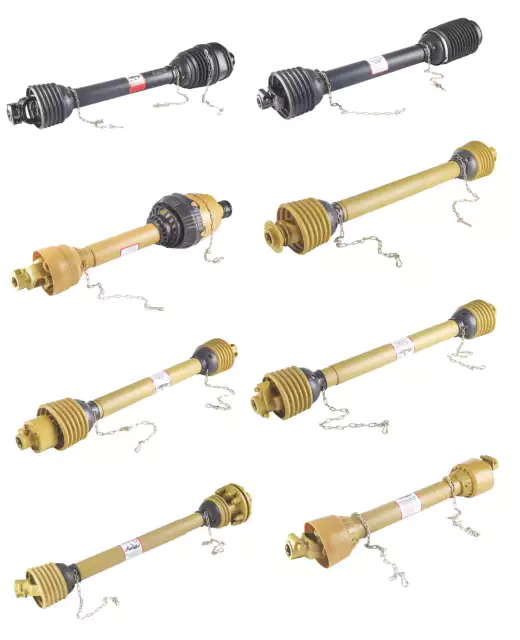
When it comes to marine propulsion, alignment is rarely perfect. The hull flexes, the engine mounts settle, and thermal expansion moves the gearbox. A rigid connection is a recipe for bearing failure. Our marine drive shafts act as the critical fuse in the drivetrain, accommodating angular misalignment while transmitting massive torque. For the Dutch dredging and tugboat sector, we utilize a specialized wing-bearing design that allows for higher torque capacity in a smaller rotation diameter. This is crucial when retrofitting older vessels where engine room space is at a premium.
Corrosion is the other enemy. We don’t just paint our shafts; we engineer them for the environment. For exposed deck equipment like winch drives or anchor handling systems, we use Duplex Stainless Steel or apply a thermal spray aluminum coating. We also integrate a proprietary multi-lip sealing system on the universal joints. This prevents water ingress—the primary cause of premature u-joint failure—even when the shaft is submerged during heavy seas. We’ve seen these shafts pull nets in the North Sea for five years without a single seal failure.
Rail Traction: The High-Speed Challenge
Rail applications are all about fatigue life. A traction motor drive shaft on a commuter train accelerates and decelerates thousands of times a day. The torque reversals are instantaneous. Standard industrial shafts will develop spline play (backlash) very quickly under these conditions, leading to that characteristic “clunking” noise and eventual failure. Our rail-spec shafts utilize a Rilsan-coated spline. This nylon coating reduces friction, eliminates metal-on-metal contact, and dampens vibration. It is a game-changer for reducing NVH (Noise, Vibration, and Harshness) in passenger rail.
Safety is paramount. All our rail shafts undergo 100% magnetic particle inspection and ultrasonic testing of the welds. We also incorporate a specialized “safety catch” mechanism in the telescoping section. In the unlikely event of a universal joint failure, this catch prevents the shaft from dropping onto the trackbed, preventing a potential derailment. It is this attention to catastrophic failure modes that makes our shafts the preferred choice for retrofit projects on European rolling stock.
Technical Specifications: Marine & Rail Series
| Parameter | Marine Series (M-Type) | Rail Series (R-Type) |
|---|---|---|
| Momentkapacitet (nominell) | 5,000 Nm – 450,000 Nm | 2,000 Nm – 80,000 Nm |
| Max flänsdiameter | Up to 620 mm | Up to 350 mm |
| Längdkompensation | Up to 400 mm | Up to 120 mm |
| Max. Operation Angle | 25° (Standard) / 44° (Wide) | 15° (High Speed) |
| Material Standard | DNV-GL / Lloyd’s Approved | EN 15085 / IRIS |
| Splineskydd | Nitriding + Marine Grease | Rilsan Coating (Polyamide 11) |
| Balanserande kvalitet | G6.3 (ISO 1940) | G2.5 (High Precision) |
Customer Success Case: Retrofit at Port of Rotterdam
Utmaningen: A major tugboat operator in the Port of Rotterdam was experiencing repeated failures of the main propulsion shafts on their harbor tugs. The existing shafts were suffering from severe fretting corrosion on the splines due to the constant low-speed, high-torque maneuvering required during ship docking. The downtime was costing them over €15,000 per day per vessel.
Lösningen: EVER-POWER engineers conducted a vibration analysis on-site. We proposed a custom retrofit solution using our Marine Series Heavy-Duty Shaft with a specialized molybdenum-disulfide-coated spline and an upgraded sealing package. We also increased the tube diameter to shift the critical speed resonance away from the engine’s idle RPM.
Resultatet: The new shafts were installed during a scheduled maintenance window. Two years later, upon inspection, the splines showed virtually zero wear. The operator has since standardized this specification across their entire fleet of 12 tugs, effectively eliminating drive shaft-related downtime.
Key Result:
Zero failures in 24 months of operation.
“The vibration reduction was immediate. We stopped breaking engine mounts, which was an unexpected bonus.” — Fleet Technical Manager
Factory Customization: We Build What You Need
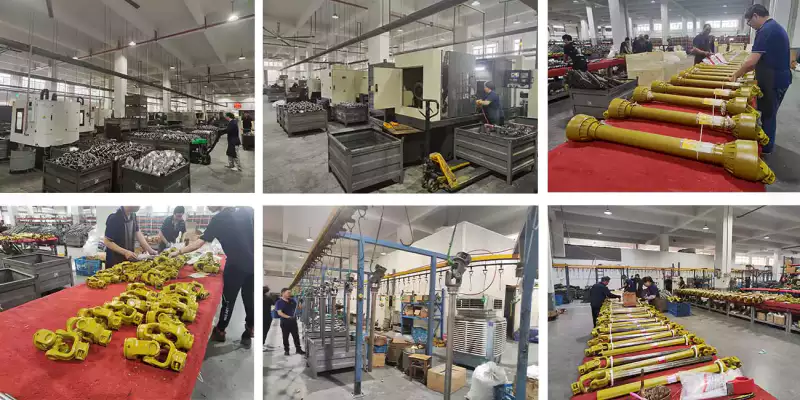
We don’t just pull boxes off a shelf. At EVER-POWER, we understand that every vessel and every locomotive has its quirks. Our factory is equipped with advanced CNC machinery that allows us to produce custom flanges, lengths, and torque ratings with short lead times. Whether you need a single prototype for a new hybrid ferry or a batch of 50 shafts for a rail fleet overhaul, we have the capacity.
We offer full DNV-GL, ABS, and Lloyd’s Register certification services. Our engineers can work directly with your classification society surveyor to ensure the paperwork is as solid as the steel. Need a specific paint spec to match your engine room? We can do that too.
Vanliga frågor
What is the typical cost for a custom marine drive shaft in the Netherlands?
Pricing varies significantly based on torque capacity and certification requirements. A standard auxiliary drive shaft might start around €800, while a main propulsion shaft with DNV class certification can range from €3,000 to over €10,000. It is best to contact us with your engine specs for an accurate quote.
How do you ensure the drive shaft is balanced correctly for high-speed rail applications?
We use dynamic balancing machines calibrated to ISO 1940 standards. For high-speed rail, we balance to grade G2.5 at the operating speed. We also add balance weights welded securely to the tube and verify the balance after assembly to account for any runout in the universal joints.
Where can I find a supplier who understands the specific vibration issues of dredging pumps?
You have found one. Dredging pumps create unique torsional vibrations due to the slurry density changes. We can assist in selecting a shaft with the correct torsional stiffness (or damping coupling) to tune the system and avoid resonance frequencies that destroy pump bearings.
Can you refurbish an existing marine shaft instead of replacing it?
Yes, we offer a comprehensive repair and refurbishment service. We can replace worn cross kits, straighten tubes, and re-balance existing shafts. This is often a cost-effective solution for larger shafts where the main yokes and tube are still in good condition.