Precision Traction Drive Shafts for Dutch Railway Fleets
If you manage rolling stock in the Netherlands, whether it is the high-frequency passenger lines of the Randstad or the heavy-haul freight corridors connecting Rotterdam to the hinterland, you know that “unscheduled maintenance” is a dirty word. The drive shaft connecting the traction motor to the gearbox is a critical component that lives a hard life. It endures the vertical shocks of the track, the torque spikes of acceleration, and the constant misalignment caused by bogie suspension movement. In our experience, many older fleets struggle with vibration issues that transmit right into the carriage, annoying passengers and fatiguing metal.
We have seen firsthand how switching from a standard industrial cardan shaft to a specialized railway traction shaft can transform fleet reliability. It isn’t just about making it stronger; it is about making it smarter. Lightweighting is key—reducing the unsprung mass improves track dynamics and reduces wear on the bogie frame. But lightness cannot come at the expense of safety. That is why we engineer our shafts with integrated hydraulic torque limiters and subject every single weld to rigorous non-destructive testing (NDT). We don’t just sell a shaft; we sell the assurance that your train stays on the rails and out of the workshop.
The “Self-Centering” Revolution
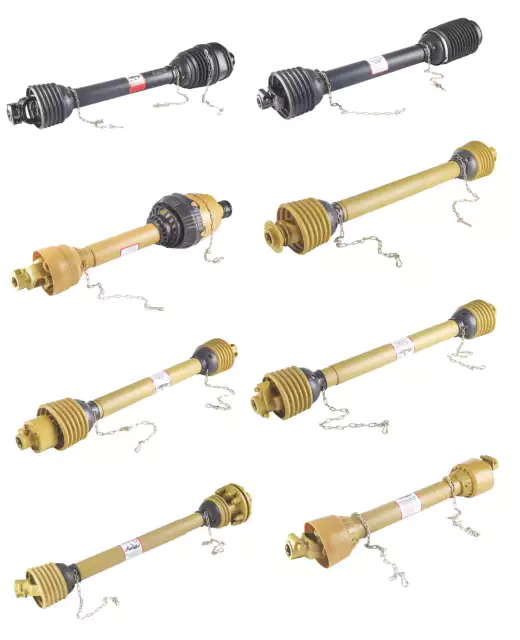
Standard universal joints have a flaw: at high rotational speeds, any internal clearance can cause the center cross to shift off-axis, creating vibration. In railway applications where shafts spin at thousands of RPM, this is unacceptable. Our signature Self-Centering Cross Kit design eliminates this issue. By utilizing a specialized internal mechanism, we ensure the cross remains perfectly centered relative to the yokes, regardless of the torque load or rotational speed.
This design feature, combined with G2.5 balancing, significantly reduces Noise, Vibration, and Harshness (NVH). For Dutch operators, this means a quieter ride for passengers and less vibratory stress on the traction motor bearings. It is a subtle engineering detail that pays massive dividends over the lifecycle of the train.
Hydraulic Overload Protection: Your Fail-Safe
What happens if a gearbox seizes at 140 km/h? Without protection, the drive shaft becomes a twisted wreck that can derail a bogie. We integrate Hydraulic Torque Limiters directly into the shaft assembly. This is a compact, reusable safety device. Inside the shaft, a pressurized oil chamber holds the connection. If the torque exceeds a precise preset limit (due to a blockage or seizure), the oil is instantly released, disconnecting the drive in milliseconds.
Unlike shear pins, which break and must be replaced, our hydraulic system can often be reset and refilled, getting the train back in service faster. This level of protection is becoming the standard for modern European rolling stock, ensuring that a mechanical failure doesn’t turn into a safety incident.
Technical Parameters: Railway Traction Series
| Параметр | Диапазон технических характеристик | Примечания |
|---|---|---|
| Номинальный крутящий момент (Ткн) | 2,000 Nm – 65,000 Nm | Customizable for Light Rail to Heavy Freight |
| Max. Swing Diameter | 180 mm – 450 mm | Compact designs for tight bogie clearances |
| Компенсация длины | Up to 140 mm | Rilsan-coated splines for low friction |
| Max. Operating Angle | 15° continuous | Accommodates suspension travel |
| Баланс качества | G2.5 (ISO 1940) | Essential for high-speed operation |
| Стандарт сварки | EN 15085 CL1 | 100% NDT (UT/MT) on all welds |
| Защита от перегрузки | Integrated Hydraulic / Shear | Optional per customer requirement |
Customer Success Case: Retrofit for Dutch Regional Trains
Задача: A regional train operator in the eastern Netherlands was facing premature failure of the traction cardan shafts on their aging fleet. The original shafts were heavy, causing excessive wear on the axle gearbox bearings. Furthermore, the spline grease was washing out during winter operations, leading to seizure and vibration.
Решение: EVER-POWER engineers proposed a comprehensive retrofit. We designed a new lightweight shaft using high-strength alloy steel tubing, reducing the weight by 15%. We implemented our “sealed-for-life” spline design with Rilsan coating, eliminating the need for frequent regreasing.
Результат: The new shafts were installed during the fleet’s mid-life overhaul. Two years later, maintenance data shows a 40% reduction in gearbox bearing replacements and a significant drop in vibration-related passenger complaints. The operator has now standardized this EVER-POWER specification for future overhauls.
Key Result:
15% Weight Reduction & Extended Service Intervals.
“The drop-in replacement was seamless. We saved hours in installation time alone.” — Maintenance Depot Manager
Custom Engineering: Tailored for Your Fleet
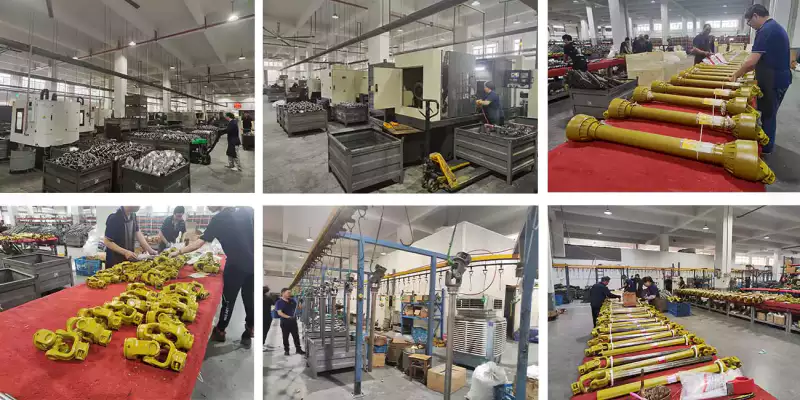
Railway projects are never “off-the-shelf.” Every bogie design has unique spatial constraints and dynamic requirements. At EVER-POWER, we don’t just manufacture; we co-engineer. Our team works with your CAD data to design a shaft that fits perfectly within the traction envelope.
Our facility is equipped for high-frequency testing. We can simulate the run-out and balancing of the shaft at operational speeds before it ever leaves our factory. We provide full documentation packages, including material certificates (3.1), NDT reports, and balancing protocols, essential for compliance with Dutch and European rail safety standards.
Часто задаваемые вопросы
What is the typical cost for a replacement traction shaft for a regional train?
Costs vary based on torque rating and integrated safety features. A standard traction shaft might range from €1,500 to €3,500, while a high-speed unit with hydraulic overload protection will be higher. Contact us with your specifications for a precise quote.
How often should railway traction shafts be inspected?
While visual inspections should occur during regular bogie maintenance (typically every 20,000-30,000 km), a full NDT inspection of the shaft and universal joints is usually recommended every 3 to 5 years or during major overhauls, depending on the operator’s maintenance schedule.
Where can I find a supplier that understands the specific requirements of EN 15085 welding?
You have found one. We are fully certified to EN 15085 CL1, meaning our welding processes, personnel, and quality control are audited to meet the highest safety standards required for railway vehicle components in Europe.
Can you deliver shafts with specific paint specifications for corrosion protection?
Yes, we can apply custom paint systems according to your fleet’s specifications, including high-durability epoxy coatings designed to resist stone chips, ballast strikes, and the corrosive cleaning agents used in train wash plants.