Opis produktu
Agricultural Tractor 540 Cardan Drive Wide Angle PTO Shaft with CE Certification Slip Cutch Yoke Tube Universal U joint For Farm Machines
Opis produktu
| Numer modelu | 05 (Sworzeń) + RA2 (Sprzęgło jednokierunkowe) |
| Funkcjonować | Przenoszenie mocy |
| Używać | Traktory i różne narzędzia rolnicze |
| Typ jarzma | szpilka/szybkozłączka/mocowanie kulkowe/kołnierz/podwójna szpilka/kołki ryglowe/zawleczki |
| Przetwarzanie jarzma | Kucie |
| Typ rury | Trójkątny/gwiazdkowy/cytrynowy |
| Typ splajnu | Typ splajnu |
|
Obróbka materiałów i powierzchni |
|
|
Wał poprzeczny |
Obróbka cieplna odkuwki 20Cr2Ni4A |
|
Panewka łożyska |
Obróbka cieplna kucia 20CrMOTi |
|
Widelec kołnierzowy |
ZG35CrMo, odlew staliwny |
|
Wał wielowypustowy |
Obróbka cieplna kucia 42GrMo |
|
Tuleja wielowypustowa |
Obróbka cieplna kucia 35CrM0 |
|
Korpus rękawa |
Kucie 42CrMo |
|
Obróbka powierzchni: |
rozpylający |
|
Klucz płaski, pierścień pozycjonujący |
Kucie 42GrMo |
Powyższe modele i materiały są standardowe.
Jeśli masz szczególne wymagania, możesz dostosować produkcję do potrzeb klienta.
Please click here to consult us!
Technological Process
Workblank Cuttinh>Workblank Preparation>Forging Preparation>Turn-milling Machining>Drill Earhole>Boring Earhole>Spline Broaching>Grove Milling>Cutting>Pressure Pipe>Drill Pin>Burring>U J Assembly>Driving Shaft assembly >-Painting & Marking> Plastic Shield Assembly>Packing> Loading> Deliverying
Profil firmy
We is located in HangZhou City, HangZhou, near the first tier cities of HangZhou and ZheJiang . Convenient transportation and beautiful environment.
We are committed to the production and research and development of PTO, agricultural machinery transmission shafts, and all supporting accessories. Currently, we have established long-term and close cooperation with countries in Europe (Italy, Germany, France, Ukraine, etc.), America (United States, Mexico, Brazil, Chile, etc.), Russia, Southeast Asia (Thailand, Malaysia, Indonesia, etc.), Oceania (New Zealand, Australia, etc.), and other countries in the foreign market, The domestic market mainly focuses on the matching of agricultural machinery, and vigorously explores the development of agricultural machinery in the ZheJiang market. At present, the factory covers an area of over 20 acres of farmland and has over 100 long-term employees (including 7 engineers). The company already has ISO, CE and other certificates.
Factory workshop
Lathe equipment
Test equipment
Pakiet
Certyfikaty
Related Products
1.Supply agricultural machinery transmission shaft series from 1 to 8, and various supporting components.
U joint, Tube, Safty Shield, Yokes, Torque Limited, Wide Angle Joint, Free Wheel ect Universal joint, shaft, dust cover, fork, torque
Limiter, wide-angle fork, overrunning clutch…
2.Supply all kinds of Plastic Guard
Offer Different Color of Safety Shield Including the Tubes Inside. Safty Shied Types and Colors According to Your Requirements
3.PTO Booklet,CE Sign,Notations and Sticker
4.We also have all products related to agricultural machinery in Hong Kong, including agricultural gearboxes used in conjunction with PTO shafts
/* 22 stycznia 2571 19:08:37 */!function(){function s(e,r){var a,o={};try{e&&e.split(„”,).forEach(function(e,t){e&&(a=e.match(/(.*?):(.*)$/))&&1
| Typ: | Wał odbioru mocy |
|---|---|
| Stosowanie: | Przetwórstwo produktów rolnych, infrastruktura gruntów rolnych, uprawa roli, kombajn, sadzenie i nawożenie, młócenie, czyszczenie i suszenie ziarna |
| Tworzywo: | Stal węglowa |
| Źródło zasilania: | Elektryczność |
| Waga: | 5lbs |
| Serwis posprzedażowy: | 5 Years |
| Personalizacja: |
Dostępny
| Spersonalizowane żądanie |
|---|
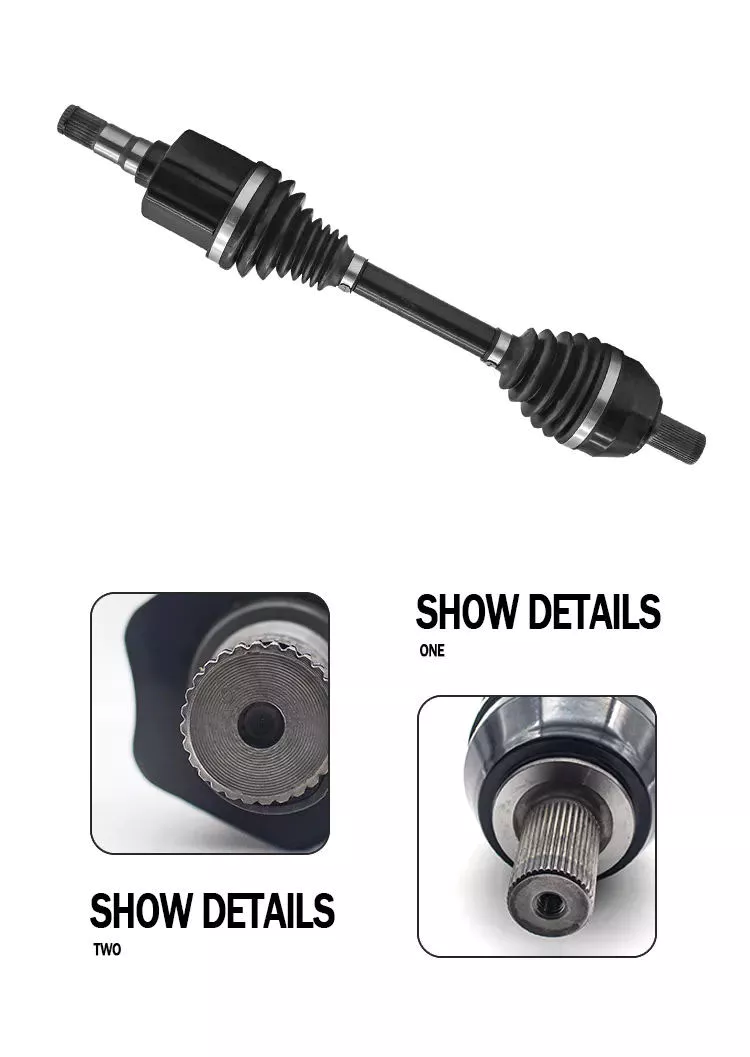
W jaki sposób producenci zapewniają kompatybilność wałów odbioru mocy z różnymi urządzeniami?
Producenci stosują różne środki, aby zapewnić kompatybilność wałów odbioru mocy (WOM) z różnymi urządzeniami. Kompatybilność jest kluczowa, aby wałki WOM mogły efektywnie przenosić moc ze źródła zasilania do napędzanej maszyny, bez uszczerbku dla wydajności, bezpieczeństwa i łatwości użytkowania. Oto szczegółowe wyjaśnienie, jak producenci zapewniają kompatybilność:
1. Standaryzacja: Wały odbioru mocy (WOM) są projektowane i produkowane w oparciu o znormalizowane specyfikacje. Specyfikacje te określają podstawowe parametry, takie jak wymiary wału, rozmiary wielowypustów, momenty obrotowe i wymagania bezpieczeństwa. Przestrzegając znormalizowanych konstrukcji, producenci zapewniają kompatybilność wałów WOM z szeroką gamą urządzeń spełniających te same normy. Standaryzacja umożliwia zamienność, co oznacza, że wały WOM jednego producenta mogą być używane z urządzeniami innego producenta, o ile spełniają te same specyfikacje.
2. Współpraca z producentami sprzętu: Producenci wałków odbioru mocy często ściśle współpracują z producentami sprzętu, aby zapewnić kompatybilność. Wspólnie starają się zrozumieć specyficzne wymagania sprzętu i projektować wały odbioru mocy, które idealnie integrują się z maszynami. Współpraca ta może obejmować udostępnianie specyfikacji technicznych, przeprowadzanie wspólnych testów i wymianę opinii. Dzięki partnerstwu producenci mogą rozwiązywać wszelkie problemy z kompatybilnością na wczesnym etapie procesu projektowania i rozwoju, co pozwala im tworzyć wały odbioru mocy idealnie dopasowane do potrzeb sprzętu.
3. Opcje personalizacji: Producenci wałów odbioru mocy (WOM) oferują opcje personalizacji, aby dopasować je do różnych konfiguracji sprzętu. Zapewniają one elastyczność w zakresie długości wału, rozmiarów wielowypustów, konstrukcji jarzm i mechanizmów sprzęgających. Producenci sprzętu mogą określić wymagane parametry, a wały WOM można odpowiednio dostosować. Dzięki temu wały WOM idealnie dopasowują się do wymagań dotyczących mocy wejściowej/wyjściowej oraz metod łączenia, gwarantując kompatybilność i efektywne przenoszenie mocy.
4. Testowanie i walidacja: Producenci przeprowadzają rygorystyczne testy i walidację, aby zapewnić kompatybilność i wydajność wałów odbioru mocy (WOM). Poddają je różnym testom, w tym testom momentu obrotowego, prędkości obrotowej i trwałości. Testy te potwierdzają, że wały WOM są w stanie wytrzymać oczekiwane obciążenia i warunki pracy bez awarii. Dzięki walidacji wydajności wałów WOM producenci mogą zapewnić ich kompatybilność z szeroką gamą urządzeń i niezawodne przenoszenie mocy w różnych warunkach pracy.
5. Zgodność ze standardami branżowymi: Producenci wałków WOM przestrzegają norm i przepisów branżowych, aby zapewnić kompatybilność. Organizacje takie jak Amerykańskie Stowarzyszenie Inżynierów Rolniczych i Biologicznych (ASABE) ustalają normy bezpieczeństwa i wydajności dla wałków WOM. Producenci projektują i produkują swoje wały zgodnie z tymi normami, zapewniając, że ich produkty spełniają niezbędne wymagania dotyczące kompatybilności i bezpieczeństwa. Zgodność z normami branżowymi daje producentom sprzętu i użytkownikom końcowym pewność, że wały WOM są kompatybilne i nadają się do użytku z różnymi urządzeniami.
6. Dokumentacja i wytyczne: Producenci udostępniają kompleksową dokumentację i wytyczne, aby pomóc producentom sprzętu i użytkownikom końcowym w zapewnieniu kompatybilności. Dokumentacja ta zawiera specyfikacje techniczne, instrukcje instalacji, wytyczne dotyczące konserwacji oraz zalecenia dotyczące bezpieczeństwa. Dokumentacja pomaga producentom sprzętu dobrać odpowiedni wałek odbioru mocy (WOM) do ich maszyn oraz zawiera wskazówki dotyczące prawidłowej instalacji i użytkowania. Postępując zgodnie z wytycznymi producenta, producenci sprzętu mogą zapewnić kompatybilność i zoptymalizować wydajność wałków odbioru mocy.
7. Ciągłe badania i rozwój: Producenci wałków WOM stale inwestują w badania i rozwój, aby zwiększać kompatybilność z różnymi urządzeniami. Są na bieżąco z trendami branżowymi, postępem technologicznym i zmieniającymi się wymaganiami sprzętowymi. Ciągłe prace badawczo-rozwojowe pozwalają producentom ulepszać konstrukcję, materiały i właściwości wałków WOM, zapewniając kompatybilność z najnowszymi innowacjami w sprzęcie i rozwiązując wszelkie problemy z kompatybilnością, które mogą się pojawić.
Dzięki standaryzacji, współpracy z producentami sprzętu, oferowaniu opcji personalizacji, przeprowadzaniu gruntownych testów, przestrzeganiu norm branżowych, dostarczaniu dokumentacji i wytycznych oraz inwestowaniu w badania i rozwój, producenci zapewniają kompatybilność wałów odbioru mocy z różnymi urządzeniami. Kompatybilność ta umożliwia bezproblemową integrację, efektywny transfer mocy i optymalną wydajność w szerokiej gamie maszyn i urządzeń w różnych branżach.
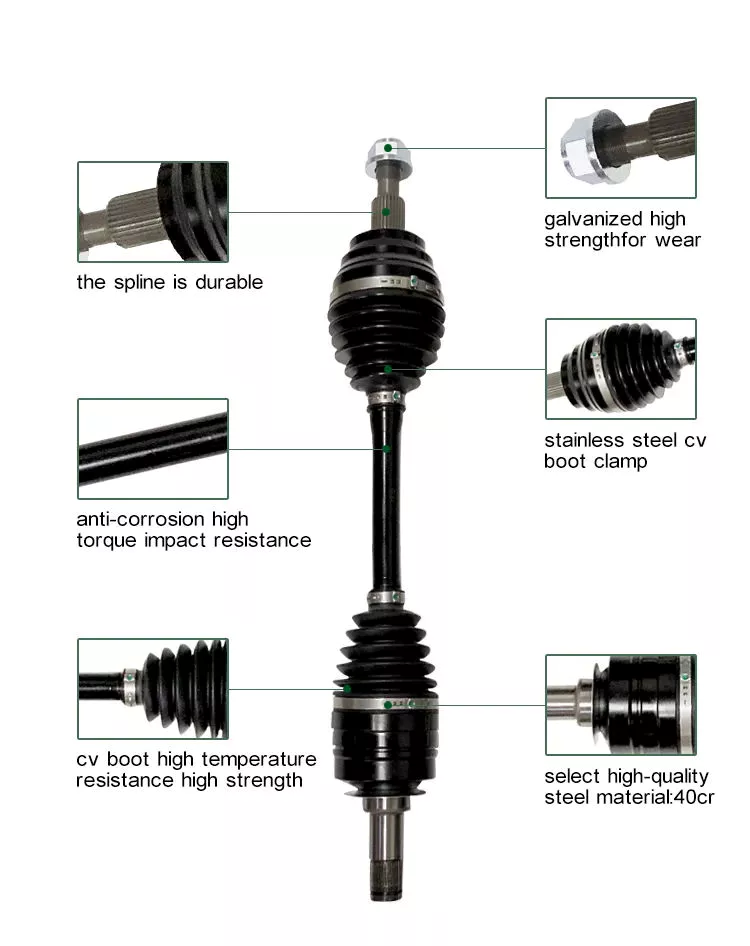
Can you provide real-world examples of equipment that use PTO shafts?
Power Take-Off (PTO) shafts are extensively used in various industries, particularly in agriculture and construction. They provide a reliable power source for a wide range of equipment, enabling efficient operation and increased productivity. Here are some real-world examples of equipment that commonly use PTO shafts:
1. Agricultural Machinery:
- Tractor Implements: A wide array of tractor-mounted implements rely on PTO shafts for power transfer. These include:
- Mowers and rotary cutters
- Balers and hay equipment
- Tillers and cultivators
- Seeders and planters
- Sprayers
- Manure spreaders
- Harvesters, such as combine harvesters and forage harvesters
- Stationary Equipment: PTO shafts are also used in stationary agricultural equipment, including:
- Feed grinders and mixers
- Silo unloaders
- Grain augers and elevators
- Irrigation pumps
- Wood chippers and shredders
- Stump grinders
2. Construction and Earthmoving Equipment:
- Backhoes and Excavators: PTO shafts can be found in backhoes and excavators, powering attachments such as augers, hydraulic hammers, and brush cutters.
- Koparki dołów pod słupy: Post hole diggers used for fence installation often rely on PTO shafts to transfer power to the digging mechanism.
- Trenchers: Trenching machines equipped with PTO shafts efficiently dig trenches for utility installations, drainage systems, or irrigation lines.
- Stump Grinders: Stump grinders used in land clearing and tree removal operations often utilize PTO shafts to power their cutting blades.
- Soil Stabilizers and Road Reclaimers: These machines use PTO shafts to drive the rotor and milling drums, which pulverize and mix materials for road construction and maintenance.
3. Forestry Equipment:
- Rębaki do drewna: Wood chippers used for processing tree branches and logs into wood chips are commonly powered by PTO shafts.
- Brush Cutters and Mulchers: PTO-driven brush cutters and mulchers are employed to clear vegetation and maintain forested areas.
- Log Splitters: Log splitters that split logs into firewood often utilize PTO shafts to power the splitting mechanism.
4. Utility Equipment:
- Generators: Some generators are designed to be driven by PTO shafts, providing an auxiliary power source for various applications in remote locations or during power outages.
- Pumps: PTO-driven pumps are commonly used for agricultural irrigation, water transfer, and dewatering applications.
5. Specialty Equipment:
- Ice Resurfacers: PTO shafts are employed in ice resurfacing machines used in ice rinks to maintain a smooth ice surface for ice hockey and figure skating.
- Air Compressors: Some air compressors are driven by PTO shafts, providing a source of compressed air for various applications.
These examples represent a range of equipment that extensively relies on PTO shafts for power transfer. PTO shafts enable the efficient operation of these machines, increasing productivity and versatility across various industries.
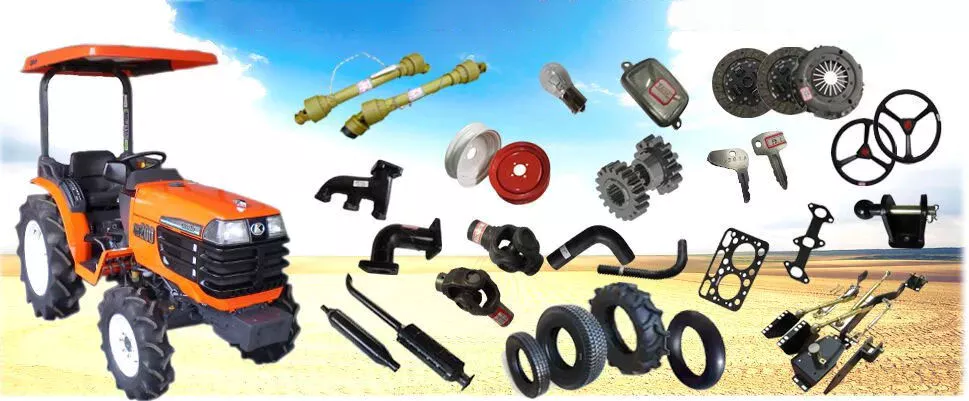
How do PTO shafts handle variations in speed and torque requirements?
PTO shafts (Power Take-Off shafts) are designed to handle variations in speed and torque requirements between the power source (such as a tractor or engine) and the driven machinery or equipment. They incorporate various mechanisms and components to ensure efficient power transmission while accommodating the different speed and torque demands. Here’s a detailed explanation of how PTO shafts handle variations in speed and torque requirements:
1. Gearbox Systems: PTO shafts often incorporate gearbox systems to match the speed and torque requirements between the power source and the driven machinery. Gearboxes allow for speed reduction or increase and can also change the rotational direction if necessary. By using different gear ratios, PTO shafts can adapt the rotational speed and torque output to suit the specific requirements of the driven equipment. Gearbox systems enable PTO shafts to provide the necessary power and speed compatibility between the power source and the machinery they drive.
2. Shear Bolt Mechanisms: Some PTO shafts, particularly in applications where sudden overloads or shock loads are expected, use shear bolt mechanisms. These mechanisms are designed to protect the driveline components from damage by disconnecting the PTO shaft in case of excessive torque or sudden resistance. Shear bolts are designed to break at a specific torque threshold, ensuring that the PTO shaft separates before the driveline components suffer damage. By incorporating shear bolt mechanisms, PTO shafts can handle variations in torque requirements and provide a safety feature to protect the equipment.
3. Friction Clutches: PTO shafts may incorporate friction clutch systems to enable smooth engagement and disengagement of power transfer. Friction clutches use a disc and pressure plate mechanism to control the transmission of power. Operators can gradually engage or disengage the power transfer by adjusting the pressure on the friction disc. This feature allows for precise control over torque transmission, accommodating variations in torque requirements while minimizing shock loads on the driveline components. Friction clutches are commonly used in applications where smooth power engagement is essential, such as in hydraulic pumps, generators, and industrial mixers.
4. Constant Velocity (CV) Joints: In cases where the driven machinery requires a significant range of movement or articulation, PTO shafts may incorporate Constant Velocity (CV) joints. CV joints allow the PTO shaft to accommodate misalignment and angular variations without affecting power transmission. These joints provide a smooth and constant power transfer even when the driven machinery is at an angle relative to the power source. CV joints are commonly used in applications such as articulated loaders, telescopic handlers, and self-propelled sprayers, where the machinery requires flexibility and a wide range of movement.
5. Telescopic Designs: Some PTO shafts feature telescopic designs that allow for length adjustment. These shafts consist of two or more concentric shafts that slide within each other, providing the ability to extend or retract the PTO shaft as needed. Telescopic designs accommodate variations in the distance between the power source and the driven machinery. By adjusting the length of the PTO shaft, operators can ensure proper power transmission without the risk of the shaft dragging on the ground or being too short to reach the equipment. Telescopic PTO shafts are commonly used in applications where the distance between the power source and the implement varies, such as in front-mounted implements, snow blowers, and self-loading wagons.
By incorporating these mechanisms and designs, PTO shafts can handle variations in speed and torque requirements effectively. They provide the necessary flexibility, safety, and control to ensure efficient power transmission between the power source and the driven machinery. PTO shafts play a critical role in adapting power to meet the specific needs of various equipment and applications.


editor by CX 2024-05-07