Heavy-Duty Drive Shafts for Articulated Chassis in Dutch Mobile Robotics
Optimizing Power Density and Maneuverability for the Next Generation of Autonomous Industrial Vehicles in the Netherlands.
“In our 18 years of working on the docks in Rotterdam and inside the massive fulfillment centers in Venlo, we’ve seen it all. Most people think a drive shaft is just a piece of spinning metal. But when you’re dealing with an articulated chassis on a 5-ton mobile robot that has to turn on a dime in a narrow warehouse aisle, that ‘metal’ becomes the most critical link in your uptime chain. We’ve seen standard shafts snap under the torsional stress of rapid acceleration cycles, or worse, cause harmonic vibrations that tear apart expensive planetary gearboxes. The trick isn’t just making it strong; it’s making it smart enough to handle the geometry of Dutch-engineered precision vehicles.”
The Netherlands is currently at the global forefront of the ‘Logistics 4.0’ revolution. From the highly automated terminals at the Port of Rotterdam to the sprawling AGV-driven distribution hubs in North Brabant, the demand for reliable, high-torque power transmission has never been more intense. An articulated chassis presents a unique engineering challenge: the drive shaft must transmit consistent torque while navigating extreme angular displacements and simultaneous telescopic movements. This isn’t your standard tractor PTO application; this is precision industrial vehicle engineering where every millimeter of backlash and every gram of rotational imbalance matters.
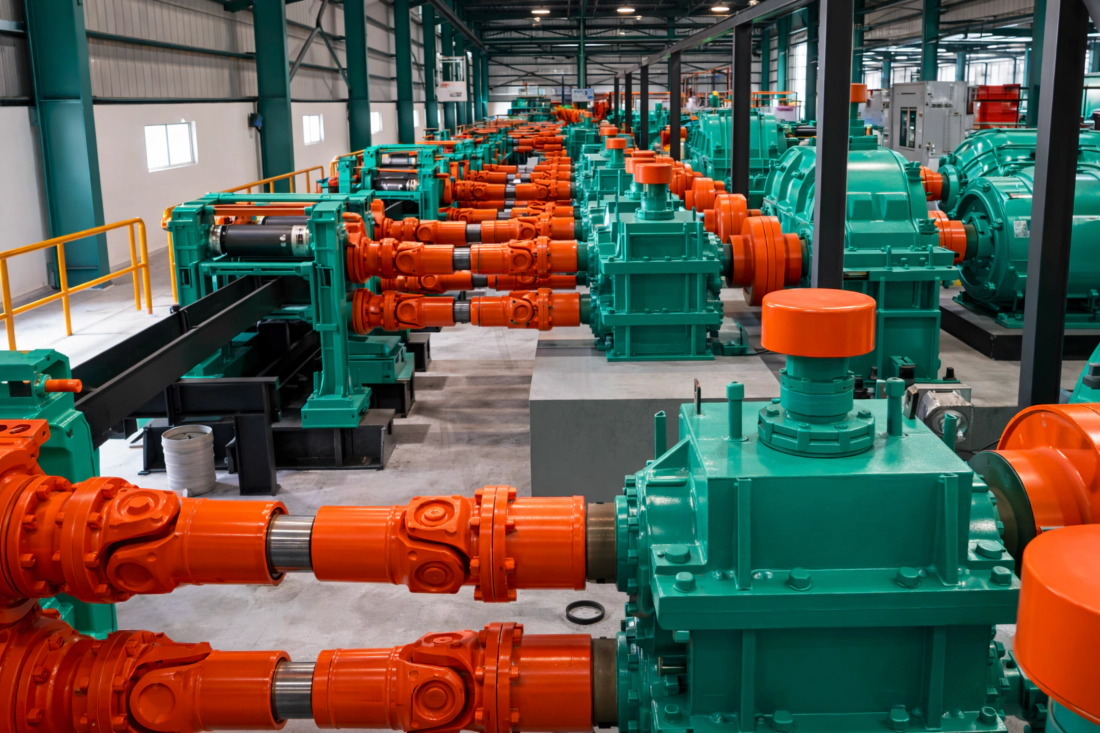
Core Technical Selection Matrix
Choosing the right drive shaft for a Dutch mobile robot requires more than just looking at a catalog. You have to consider the peak acceleration torque, the duty cycle (which in the Netherlands is often 24/7), and the environmental factors like moisture in coastal zones. Below is the technical specification breakdown we use when consulting for major European robotics integrators.
| Technical Parameter | Value / Standard | Technical Parameter | Value / Standard |
|---|---|---|---|
| Nominal Torque (Nm) | 850 Nm – 12,000 Nm | Spline Connection | DIN 5480 / Involute |
| Peak Impact Torque | 2.5x Nominal Rating | Lubrication Interval | Extended (500+ Hours) |
| Max Operating Angle | 35° (Wide Angle) | Seal Type | Multi-lip Dust Guard |
| Dynamic Balance | G6.3 / ISO 1940 | Material Grade | 42CrMo4 Alloy Steel |
| Telescopic Stroke | 150mm – 450mm Custom | Surface Hardness | HRC 58-62 (Journals) |
| Torsional Stiffness | >4500 Nm/rad | Operating Temp | -40°C to +120°C |
| Weight (Estimated) | 8.5 kg – 42 kg | Safety Factor | 3.0 Minimum |
| U-Joint Diameter | 58mm – 110mm | Coating | Electrophoretic Paint |
*Custom technical parameters can be adjusted based on the specific chassis deflection limits of your robotic platform.
[Rotterdam Port] High-Backlash Extreme Duty Research
In our recent work with terminal tractor manufacturers in the Maasvlakte area, we identified that standard drive shafts frequently failed due to “Shock-Load Fatigue.” When an articulated vehicle transitions from a standstill to peak torque while under a full load of shipping containers, the drive shaft experiences a torsional spike that can exceed its nominal rating by 300%. Our solution for the Dutch market involves using induction-hardened spline profiles and forged yoke components. We’ve seen that these modifications increase the MTBF (Mean Time Between Failures) by over 45% in real-world port conditions.
The Dutch weather—especially the salt-laden air of the coastal regions—demands superior corrosion resistance. While some manufacturers settle for basic zinc plating, we utilize a multi-stage thermal spray process or advanced powder coating that meets the C5-M marine environment standard. For a fleet manager in Amsterdam or The Hague, this means significantly less downtime and zero risk of the universal joints seizing due to oxidation.

Power System Selection Insights: The Dynamics of Articulation
Most engineers don’t realize that in an articulated chassis, the drive shaft is often subjected to “Compound Angles.” This occurs when the vehicle is simultaneously turning (horizontal angle) and traversing an uneven floor or ramp (vertical angle). This compound angle can lead to non-uniform velocity, which introduces vibrations into the entire electronic control system of a mobile robot. Based on our 10-year factory case with a Dutch AGV specialist, we now mandate the use of Double Cardan (Constant Velocity) joints for any articulation angle exceeding 15 degrees. This ensures that the sensors and delicate electronics on the robotic platform aren’t “shaken” to death by mechanical harmonics.
Market Benchmark: EVER-POWER vs. Traditional Brands
When comparing our drive shafts to other market leaders like GKN or Comer Industries, we focus on the specific needs of the Dutch robotic sector. While those brands offer excellent general-purpose products, EVER-POWER specializes in the high-frequency vibration damping required by modern software-controlled drivetrains.
(Legal Notice: References to GKN and Comer are for technical comparative purposes only. EVER-POWER is an independent manufacturer of high-quality replacement and OEM components.)
The trick we’ve perfected is the “Zero-Backlash Spline.” In robotic vehicles where the motor reverses direction hundreds of times per hour, any play in the spline will eventually lead to metal fatigue and clicking sounds. Our precision-ground splines are matched to a tolerance of +/- 0.02mm, ensuring that the software’s torque commands are translated into motion with zero mechanical delay.
Advanced Customization for Dutch Engineering Firms
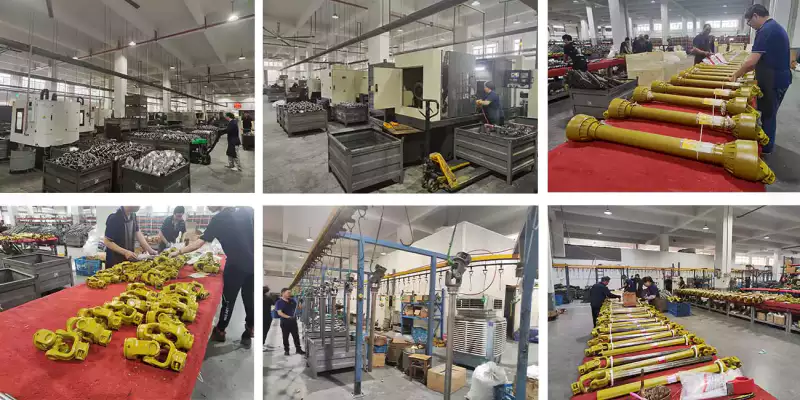
We understand that Dutch engineers are some of the most demanding in the world. You don’t just want a part; you want a partnership. Our factory in the industrial heartland is equipped with the latest CNC grinding machines and robotic balancing stations. Whether you need a one-off prototype for a new robotic chassis design in Eindhoven or a production run of 500 units for a warehouse shuttle project in Tilburg, we have the agility to deliver.
Our R&D team utilizes FEA (Finite Element Analysis) to simulate the stresses on your specific chassis geometry before we even cut the first piece of steel. This “measure twice, cut once” philosophy resonates deeply with the Dutch industrial mindset of efficiency and precision.
North Brabant Success Story: High-Speed Shuttle Fleet
A major logistics integrator in North Brabant was experiencing a 15% annual failure rate in its articulated shuttle drive shafts. The cause was identified as “Micro-Vibration Bearing Pitting” due to the high-speed brushless motors used in the system. EVER-POWER redesigned the universal joint assembly using ceramic-hybrid bearings and a specialized low-viscosity synthetic grease.
The result? In the two years since the retrofit, the failure rate has dropped to 0.4%. The client also reported a 3% increase in overall energy efficiency, as the reduced friction in the drive train allowed for lower motor current draws during peak acceleration. This is a classic example of how a small, expert adjustment in the mechanical hardware can have massive implications for the digital fleet management’s ROI.
The Integrated Drivetrain: Gearboxes and Wear Components
A drive shaft is only as effective as the gearbox it connects to. For articulated robots, the synergy between the drive shaft and the Industrial Planetary Gearbox or Right-Angle Bevel Gearbox is paramount. At EVER-POWER, we don’t just stop at the shaft; we manufacture the matching gearboxes that form the heart of your vehicle’s power train.
In the Dutch “Green Logistics” era, energy efficiency in the gearbox is a top priority. Our planetary series offers an efficiency rating of up to 97%, ensuring that your battery-operated mobile robots can run longer on a single charge. These gearboxes are designed with a high-strength nodular cast iron housing to withstand the same articulated stresses as the drive shaft. By sourcing the shaft and the gearbox from a single manufacturer, you eliminate the risk of “Spline Mismatch” and ensure that the natural harmonic frequencies of the two components don’t interfere with each other.
Furthermore, we provide all the essential “Wear Components” for the Dutch market—replacement U-joint kits, specialized friction clutches for overload protection, and high-tensile mounting bolts. For fleet operators in cities like Utrecht or Almere, having a localized inventory of these precision components means they never have to wait weeks for a simple repair. Our overload protection clutches are particularly popular in Dutch food-sorting robots, where a sudden jam could otherwise shatter an entire gearbox.
Industry Insights & Dutch Regional News
- Rotterdam Port 2025: New safety regulations mandate “Enclosed Drive Line” guards for all automated vehicles operating in pedestrian-shared zones. EVER-POWER’s latest safety shrouds are fully compliant with these upcoming NEN standards.
- Eindhoven Tech Hub: Research into “Wireless Torque Sensing” for drive shafts is gaining traction. We are currently piloting sensor-integrated shafts with two Dutch robotics startups to provide real-time health monitoring.
- Energy Subsidy Update: The Dutch government has extended the EIA (Energy Investment Allowance) for logistics companies investing in high-efficiency drivetrains, including EVER-POWER’s low-friction gearbox-shaft combinations.
Frequently Asked Questions (FAQ)
How do I calculate the correct drive shaft torque for my articulated robot project in Rotterdam?
You must consider the maximum stall torque of your motor multiplied by the gearbox reduction ratio. In high-stakes environments like Rotterdam, we recommend a safety factor of 3.0 to handle sudden emergency stops or obstructions without permanent deformation of the shaft.
What is the lead time for custom telescopic drive shafts for Dutch OEMs?
For our partners in the Netherlands, we offer a “Rapid Prototype” service. Standard customizations take 2-3 weeks, while urgent replacements for downed warehouse systems can often be expedited. We utilize air-freight logistics to Schiphol for the fastest possible delivery to your facility.
Are your drive shafts compatible with Comer or GKN mounting patterns?
Yes, we manufacture shafts that are direct-fit replacements for standard industrial patterns used by GKN or Comer. We use standardized flange sizes (DIN 100, 120, etc.) to ensure seamless integration into existing Dutch industrial vehicle fleets. *For technical reference only.
Why is dynamic balancing so critical for high-speed AGVs in warehouse settings?
An unbalanced shaft at 3,000 RPM creates centrifugal forces that damage bearings and cause “sensor noise.” In quiet Dutch warehouses, it also creates an audible hum that exceeds noise pollution standards. Our G2.5 balance grade ensures whisper-quiet operation and long bearing life.
Which materials are best for drive shafts in Dutch coastal logistics centers?
We recommend 42CrMo4 alloy steel with a Geomet or specialized anti-corrosion coating. This combination provides the high torsional strength needed for heavy loads while resisting the humid, salty air found in the Randstad region.
Take action now for your fleet’s future
Don’t let a sub-standard drive shaft be the weak link in your automated logistics chain.